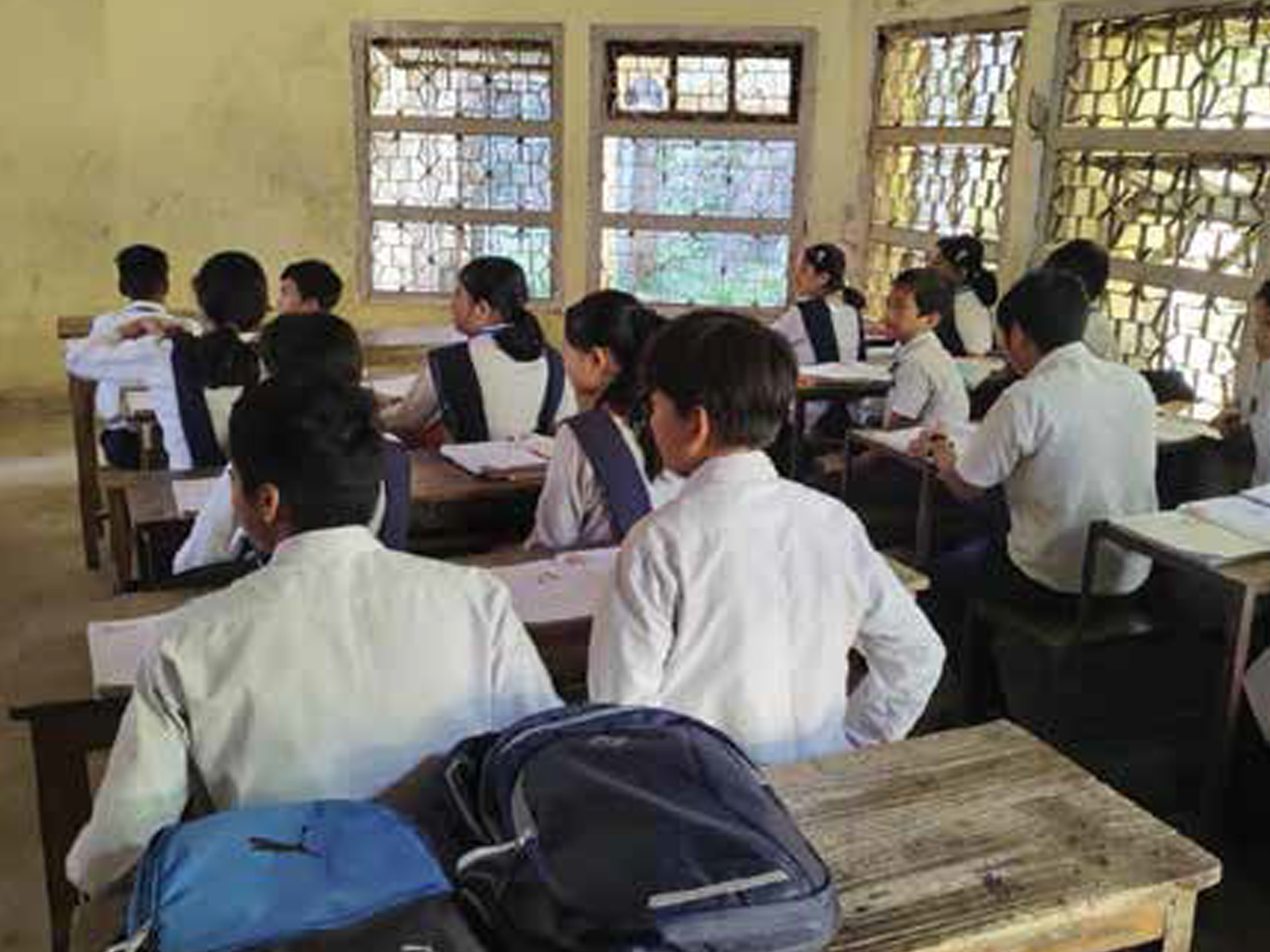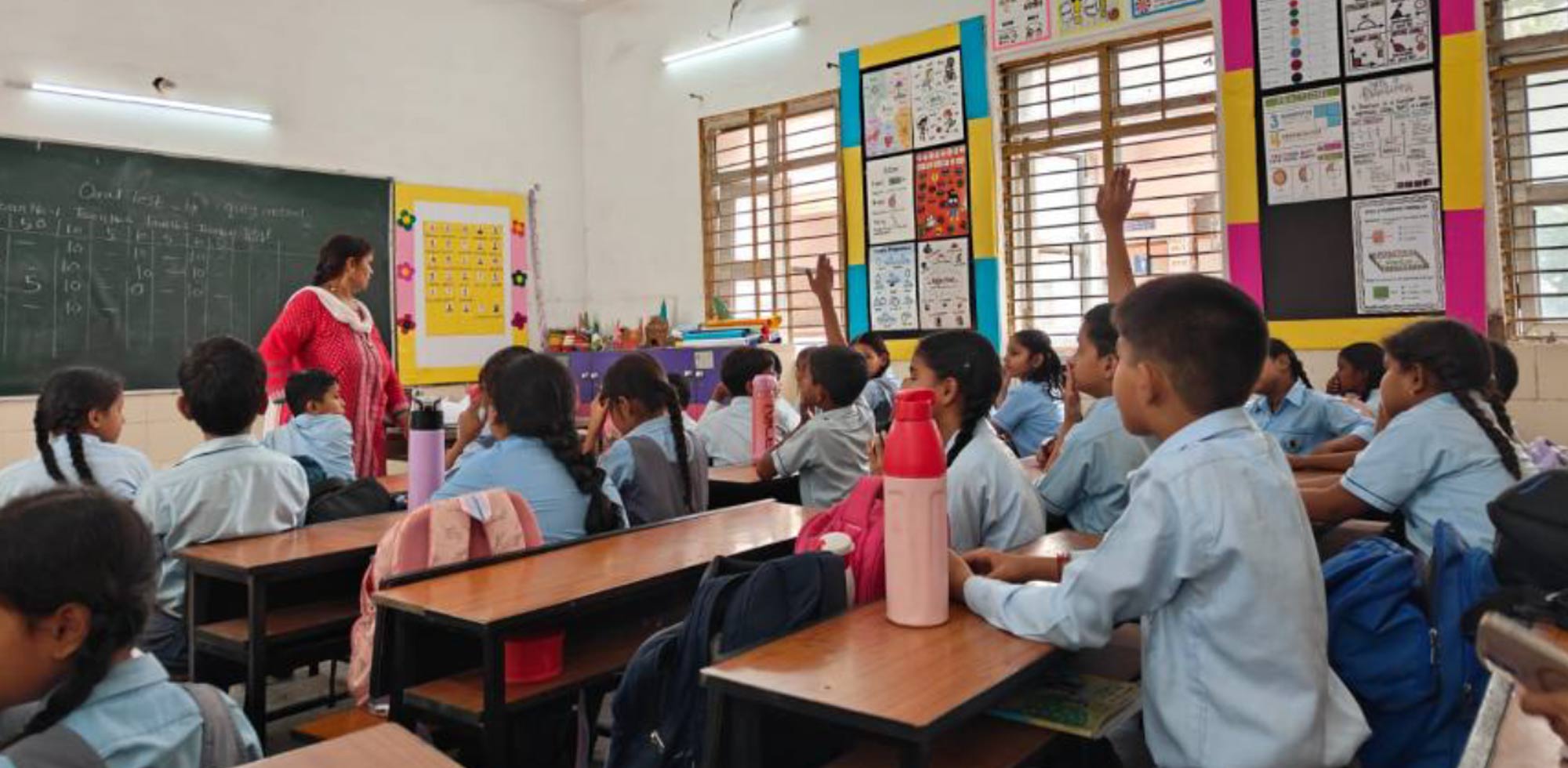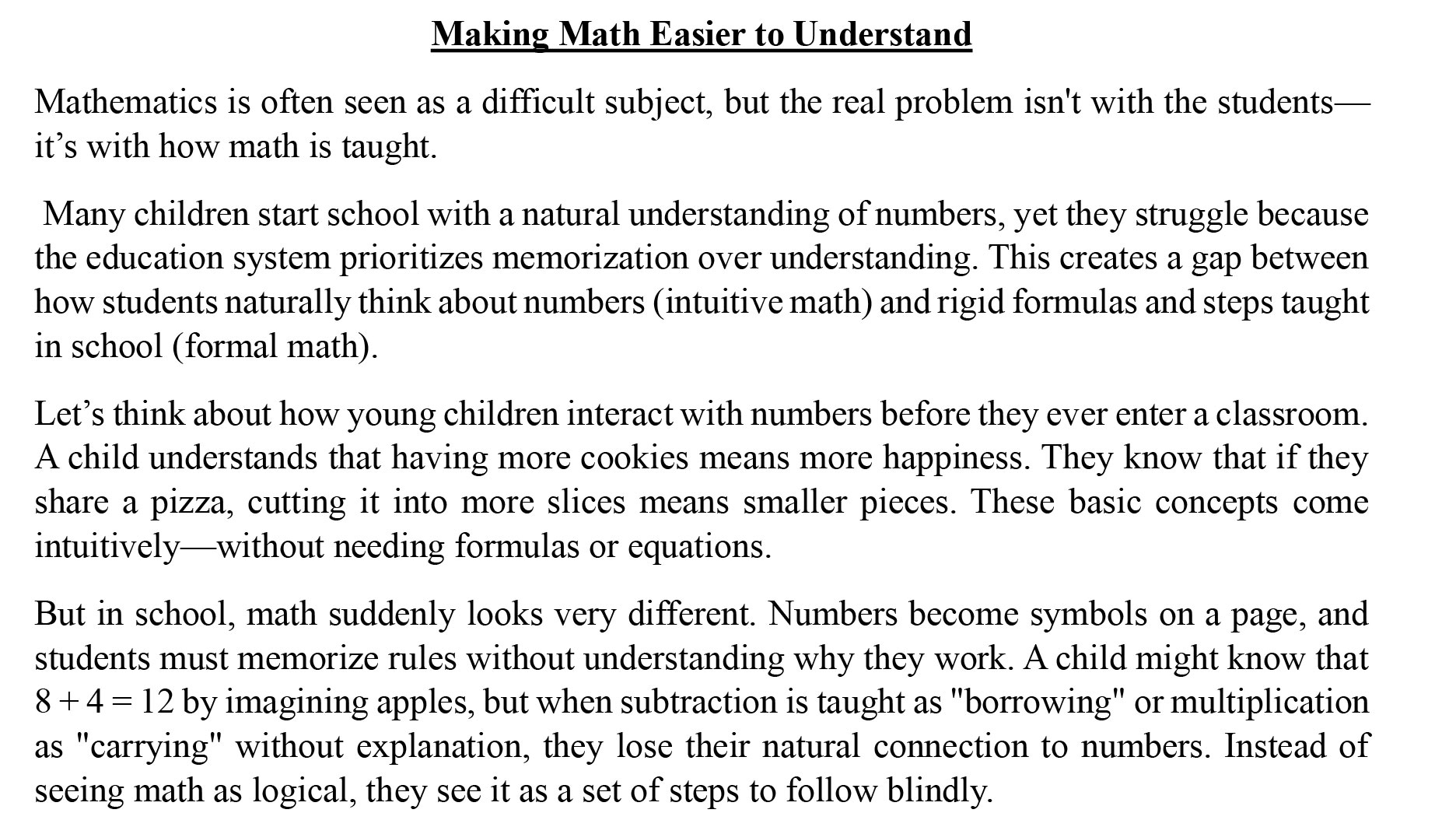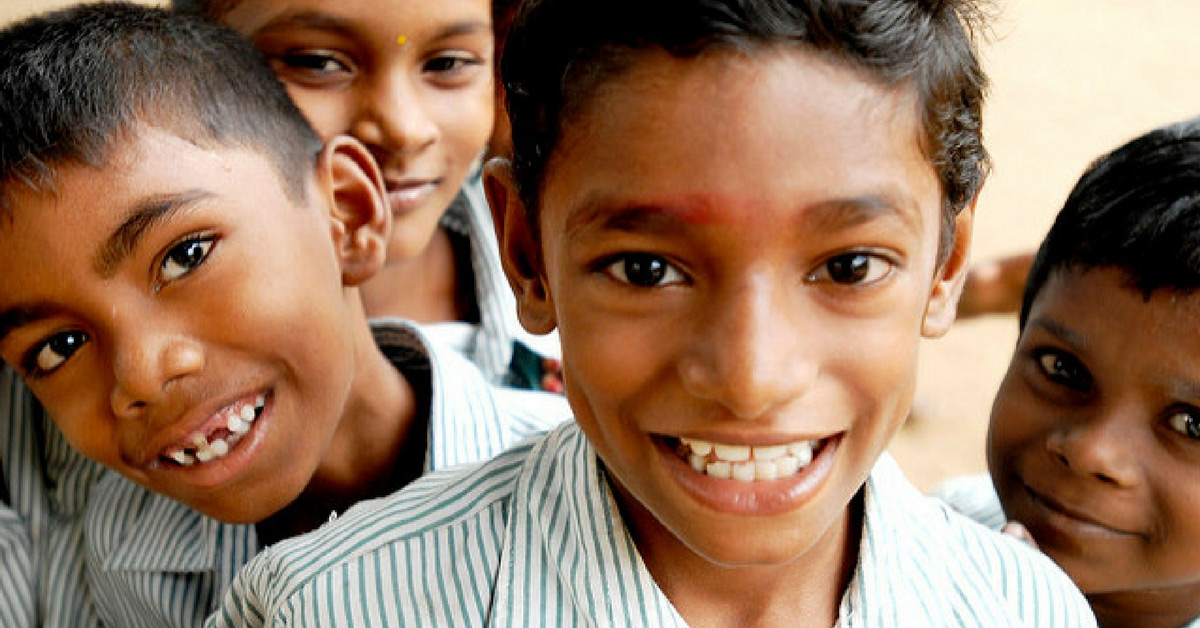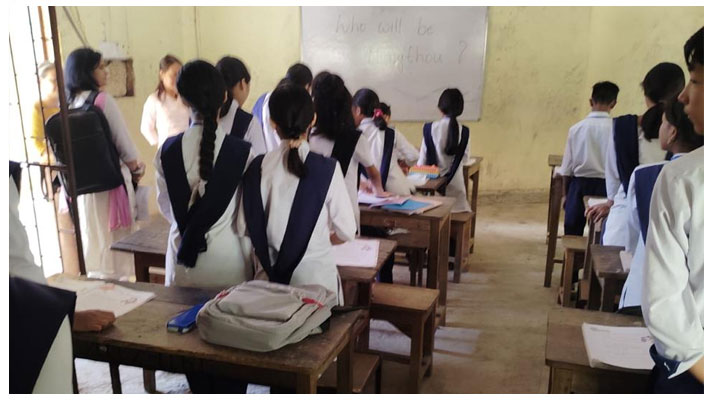




In a recent informal interaction with school children in Delhi, students were asked where they got their drinking water from. Approximately 80% of the children responded quite literally, saying that their water came from a tap. The remaining 20% responded that the water came from the Ganga, almost 1300 kms away. Alarming is the fact that none of the children mentioned our local river, the Yamuna.
In the heart of our bustling city, Delhi, the Yamuna flows — quietly, often invisibly — beneath flyovers in drains, behind concrete walls, or beneath layers of pollution. Once a lifeline of civilizations, the river has become distant and disregarded. A glance at any writing on the Yamuna for over half a decade describes the river as a dead, toxic and stinking sewer. For urban children, especially, the possibility that their drinking water is sourced from the Yamuna is inconceivable and horrifying. It has ceased to be a living, breathing part of their world. The disconnection is deep and growing. The Yamuna, celebrated as a revered Devi in Indian mythology, as a guardian of the sanctum sanctorum of most North Indian temples and recognised as a major river of India in the National Anthem of India, lies degraded at the cities edge, only to be used as a resource for urbanisation.
Today, urban children in any metropolis, grow up surrounded by construction, traffic, and the towering infrastructure of metro cities. Their rivers — the Yamuna in Delhi, the Mithi in Mumbai, the Hooghly in Kolkata and the Cooum in Chennai — are known more as names on a map, and rarely, as urban spots of nature, recreation and reflection. In many cities, children have never touched the riverbank, never seen the biodiversity cradled there, heard frogs croak at dusk, or watched a kingfisher dive. An entire generation is growing up unaware of the river's moods, its creatures, and its rhythms, unaware that the river is their inheritance and also their source of life. It is ironic that while children in cities often have better access to information and technology, they have less access to direct experiences with nature. Urban planning often pushes rivers to the periphery - literally "out of sight, out of mind." Schools teach about the Amazon or the Ganga, but rarely organize a walk along the local stream or canal. Safety concerns, logistical hurdles, and environmental degradation become excuses to keep children away, instead of reasons to bring them closer.
This loss is not merely ecological — it is also emotional and cultural. Rivers are more than obvious water channels, they are creators of civilizations and history, and the inspiration of art, music and the creative impetus for cultural belonging. When children lose connection with their immediate natural surroundings, they become adults whose affinity with the environment is diminished. Climate change, biodiversity loss, and sustainability become abstract global issues, not personal, local ones. The disconnection breeds apathy.
Recognition of this disengagement has led to the development of the Yamuna River Initiative (YaRI). To reconnect children with their rivers, we need to begin with storytelling and bringing the rivers into the forefront of student consciousness. Students need to walk to the riverside — not just in textbooks or poems, but physically, allowing them to see, smell, question and document. River walks, citizen science, art projects, clean-up drives, and oral history interviews with elders can all become powerful tools for engagement. Our rivers may be hidden or ailing, but they are not gone. Children need to realise that with “gone” rivers, civilizations “go” too. And children, with their curiosity and imagination, can become their most powerful advocates — if we allow them to know the river, not as an environmental problem, but as a living, breathing entity with rights and an intimate relationship with us.
In re-establishing this bond between children and their rivers, we don't just restore ecosystems. We restore wonder. And we nurture a generation that belongs — not just to a city, but to the land and the waters that flow through it.