




"Everything I learnt about it…..
I learned it from the internet and movies":
The case for comprehensive sexuality education in India.
By Anviti Singh
Recently, the Supreme Court of India remarked that sex education should be incorporated in the curriculum from a younger age and not class IX onwards. The opinion expressed by the Supreme Court once again fuelled the decades old debate of whether to provide sex education or not. The country that is touted as the pioneer of sex education and provider of the world’s oldest sex encyclopaedia, is having a debate on whether it should be incorporated in school curriculum seems odd. Surely the theme warrants discussions, debates, and critique; however, whether the discussion should be oriented towards need of it or how to introduce it is the question to deliberate. And most of all, should not the discussion be based on what the children want?
Who is considered a child?
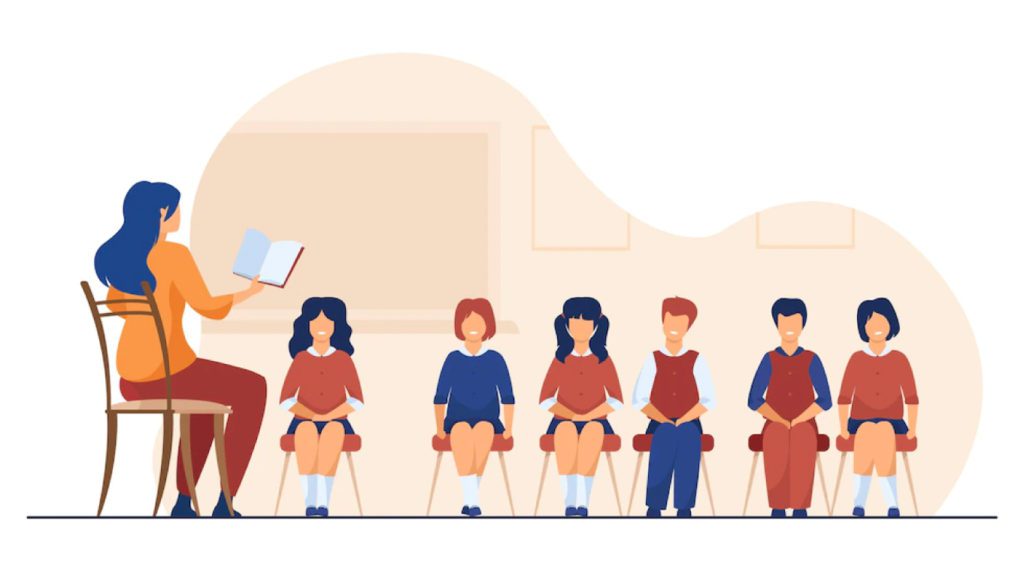
Who is considered a child? The United Nations Convention on the Rights of the Child defines a child as, "A human being below the age of 18 years unless under the law applicable to the child, majority is attained earlier. "This definition is ratified by 192 of 194 member countries. According to the World Health Organisation, "Adolescence is the phase of life between childhood and adulthood, from ages 10 to 19." Clearly, any sex education programme must cater to the needs of adolescents, i.e., individuals belonging to the age group 10-19. For the age group 3 to 10 concepts like good touch bad touch and providing vocabulary to understand and closely express such situations should be part of curriculum. This empowers children to report inappropriate incidents without guilt and shame. Unfortunately, such incidents do occur.
What is the need of the hour for adolescents?
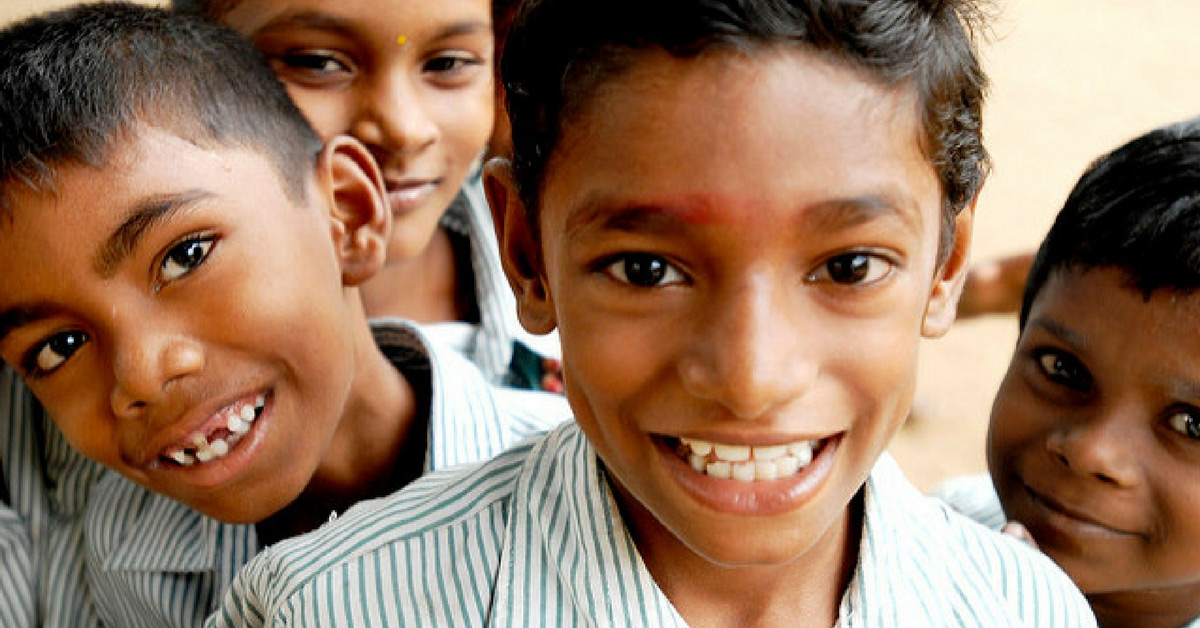
As far as adolescents are concerned, what sex education must constitute for them should be based on sociological, physiological, and psychological needs borne out of the onset of puberty. Gradual decrease in the average age of puberty, coupled with a changing societal paradigm due to the pervasiveness and influence of social media, and easy access to diverse avenues to seek information regarding anything that piques adolescents and children alike is risky from multiple perspectives and makes sex education crucial for them. But as this cohort is capable of expressing their needs, their voices should also be taken into account while designing any such programme. As one child pointed out during a discussion on national media, "We have misconception and everything.... we don't know what happens and how it’s done because we have never been given proper sex education. We learned about it in bits and pieces from here and there....". The comments on that video ask India to grow up and introduce sex education, as one of the comment reads, "I completed 10th in 1999, my biology teacher also skipped the lesson on reproductive organs and told us to read it at home. It’s 2019 and the story remains the same..." He laments that, "for the next 500 years sex will remain taboo in India." Another research across National Law Universities revealed that students were not satisfied with the type of sex education they received at school. One of the students said, "Our teachers totally skipped the chapter on reproduction; we were just asked to read it ourselves." "Another student said, "We had sex education in school, but we only learnt good touch, bad touch, and menstruation. That too, girls and boys separately." When asked where they gained information about it, majority said, from the internet and movies. In the words of a student, "Everything I know about sex, I learnt from the internet and movies; there was no way for me to verify that information." Students are of the opinion that the school and parents should be the first providers of such knowledge, which will empower students to deal with a lot of issues like setting boundaries, consent, and will help them understand and dispel the stigma and myth surrounding it.
Early puberty and access to unfiltered sensitive information
A cursory look at the physiological changes (Puberty) and its impact on children also supports adolescents, and children’s view that it is better that children know about it from their school and parents. The average age of menarche (first menstruation), which used to be around 14-16 years, has now dropped to around 12 years and at the extreme level, some of the girls are showing signs of puberty as early as seven years, disrupting both their physical and emotional development. It leads to short stature and results in anxiety, depression, substance abuse, and other behavioural issues among children. Puberty is characterized by a growth spurt, maturation of sexual organs, development of secondary sexual characteristics, and psychological changes. These changes, coupled with unfiltered information acquired from the internet, may devastate a child’s life. In fact, more than the unfiltered information and data, subtle cues, scattered in their surrounding that appear harmless, are more educative albeit negatively about the issues children grapple with- issues like self-image, relationships, cyberbullying, peer pressure, consent- the feelings emerging out of the onset of puberty, like sexual desires. Take, for example, the contraceptive advertisement shown during shows about which they do not get satisfactory answers from their parents or even siblings; the standup comedy shows they get to watch with their parents, where some of the jokes are highly X-rated.
Online gaming, YouTube, and social media as 21st century parent & teacher
There is YouTube, which has some parody accounts of popular cartoon characters like Peppa Pig showing disturbing, objectionable, violent, and sexual content. Many series on YouTube exemplifying names of adult stars and subtly propagating physical intimacy under the guise of humour are popular among teens and watched by millions of children. It is obvious that children search for these on the internet, which leads them to a world for which they are not ready yet, both physically and mentally.
In addition to it, the online games children are addicted to these days are infested by paedophiles and groomers in search of children, and have explicit adult content. If such is the case, then it is to be noted here that more than half of Indian youth between the ages 9-17 spend more than 3 hours daily on social media and gaming platforms. Imagine the extent to which this cohort is exposed and vulnerable to gender-based violence, child sexual abuse, body image issues & body shaming. Clearly, social media and gaming platforms have become favourite dens of groomers and paedophiles. One of the most popular chatting apps Discord where one can use messaging as well as voice chat with minimal or no restrictions on age. Discord is considered the hub of pedophiles. The thing is, the monitoring policy it follows is quite corrupt and faulty, providing enough scope to paedophiles to enter private chat rooms and chat with minors as small as six years old sometimes. The chatting app has turned into one of the most popular e-dating apps where paedophiles struck friendship with teens and ask for personal, private information and images. Discord can lead to other platforms where groomers and paedophiles are quite active, like the game Roblox. It poses significant risks to children, exposing them to self harm, explicit content, and paedophiles, despite its default privacy settings. No wonder cases of sexual violence against children increased by 96% between 2016 and 2022.
Another issue is that all the regressive notions of girlhood, womanhood, and other misogynistic content are being promoted on social media, backtracking decades of struggle against misogyny and gender-based discrimination. The implications are huge and disturbing. Children are falling into the traps of sextortion, Roblox grooming, and cyberbullying. Other impacts are the prevalence of distorted gender norms, increased misogyny, low self-esteem, anxiety, and other mental health problems for children.
What parents and teachers need to do?
Shedding inhibitions, reclaiming parenthood and guardianship
Apparently, it is evident that children are exposed to content that is not meant for them, they are consuming information that is not appropriate for them, and are experimenting with their sexuality much before desired and appropriate. Consequently, they are more prone to becoming victims of sexual predators in both physical as well virtual worlds. Therefore, the need to provide Comprehensive Sex Education through appropriate channels becomes evident. Both parents as well as teachers need to shed their inhibitions and prepare themselves to have healthy discussions with their children. It will go a long way in empowering children to deal with relationship issues, consent, body image, cyberbullying, physical and emotional turmoil, and help them make informed decisions and lead a healthy and prosperous life.