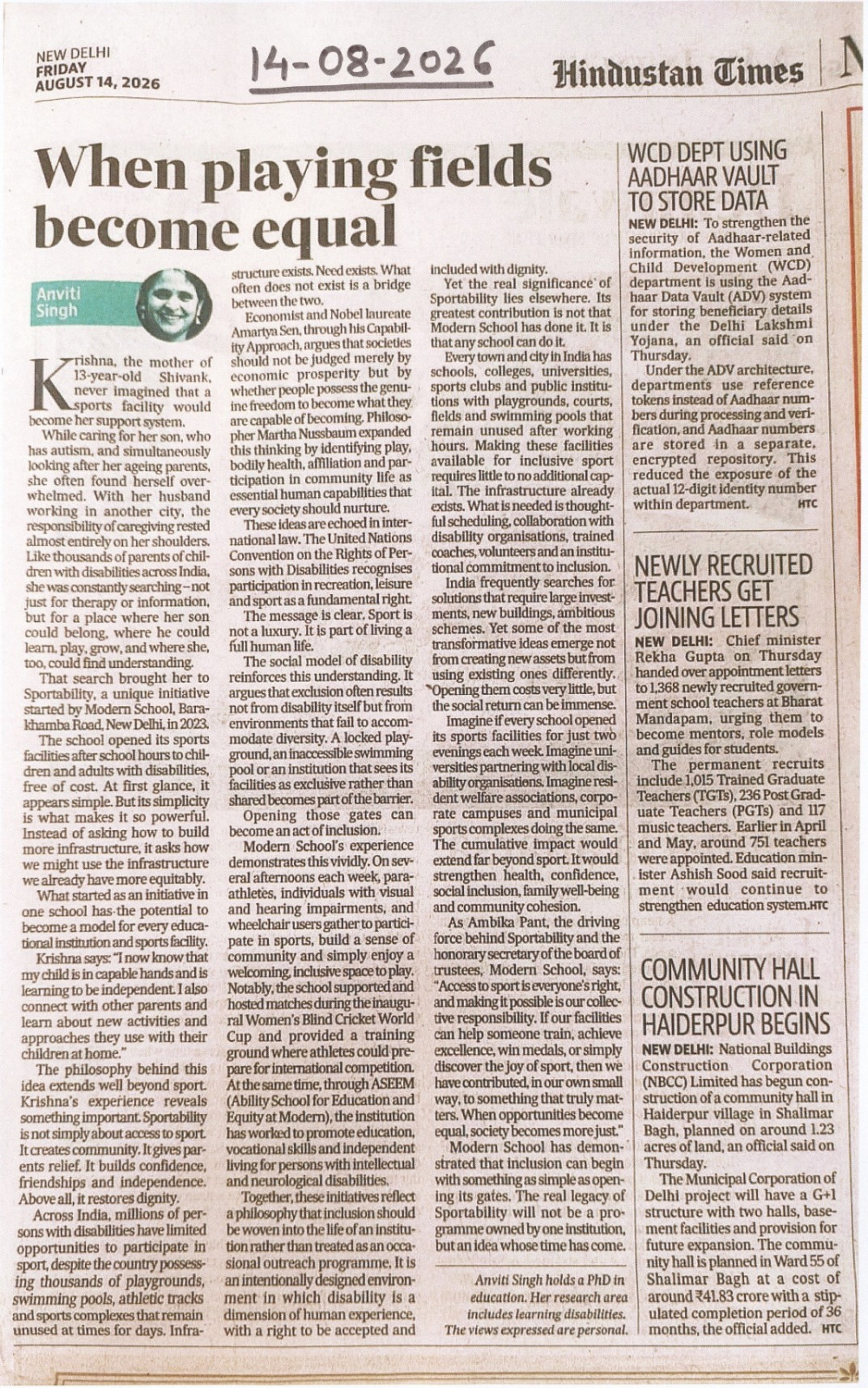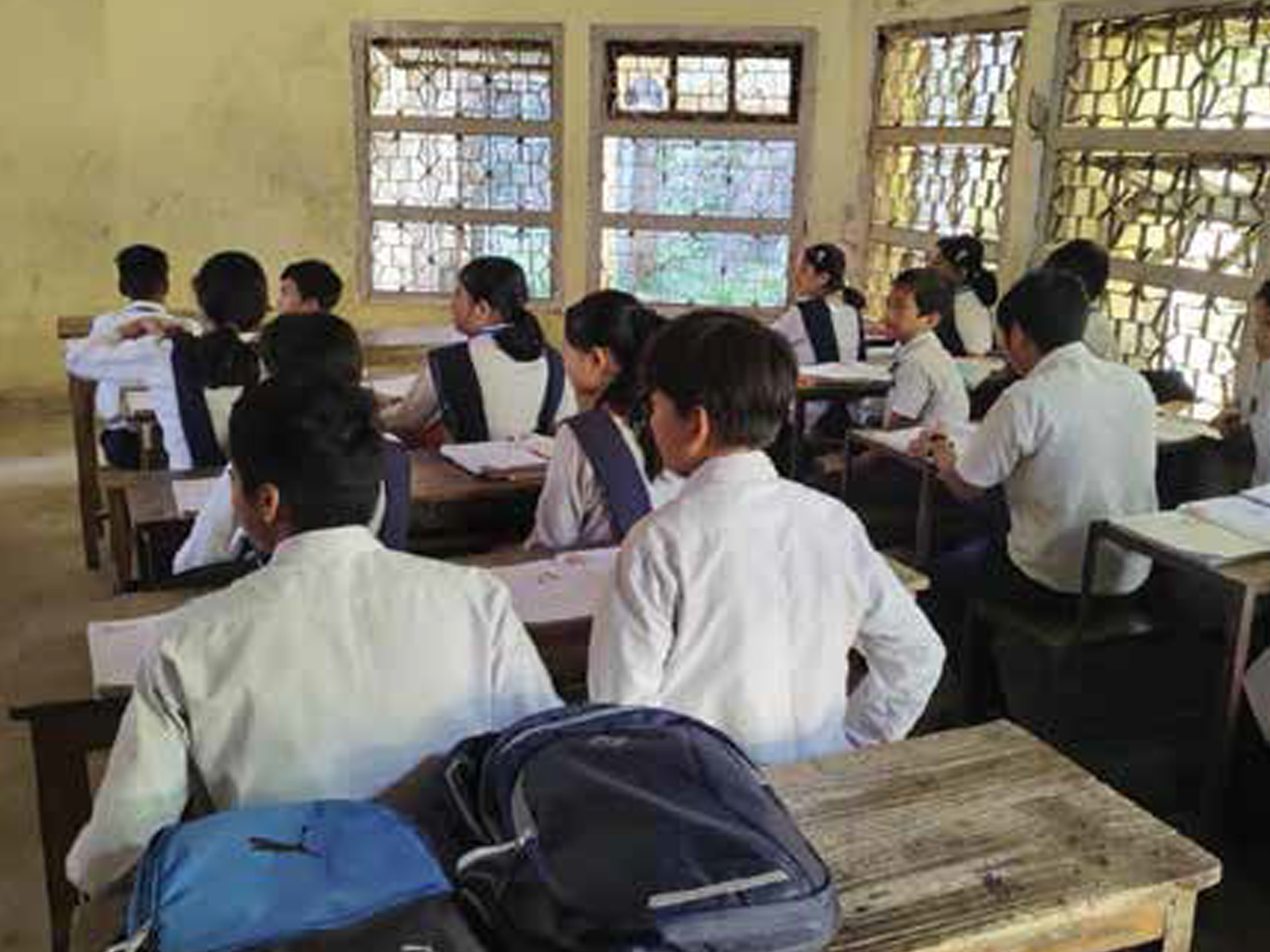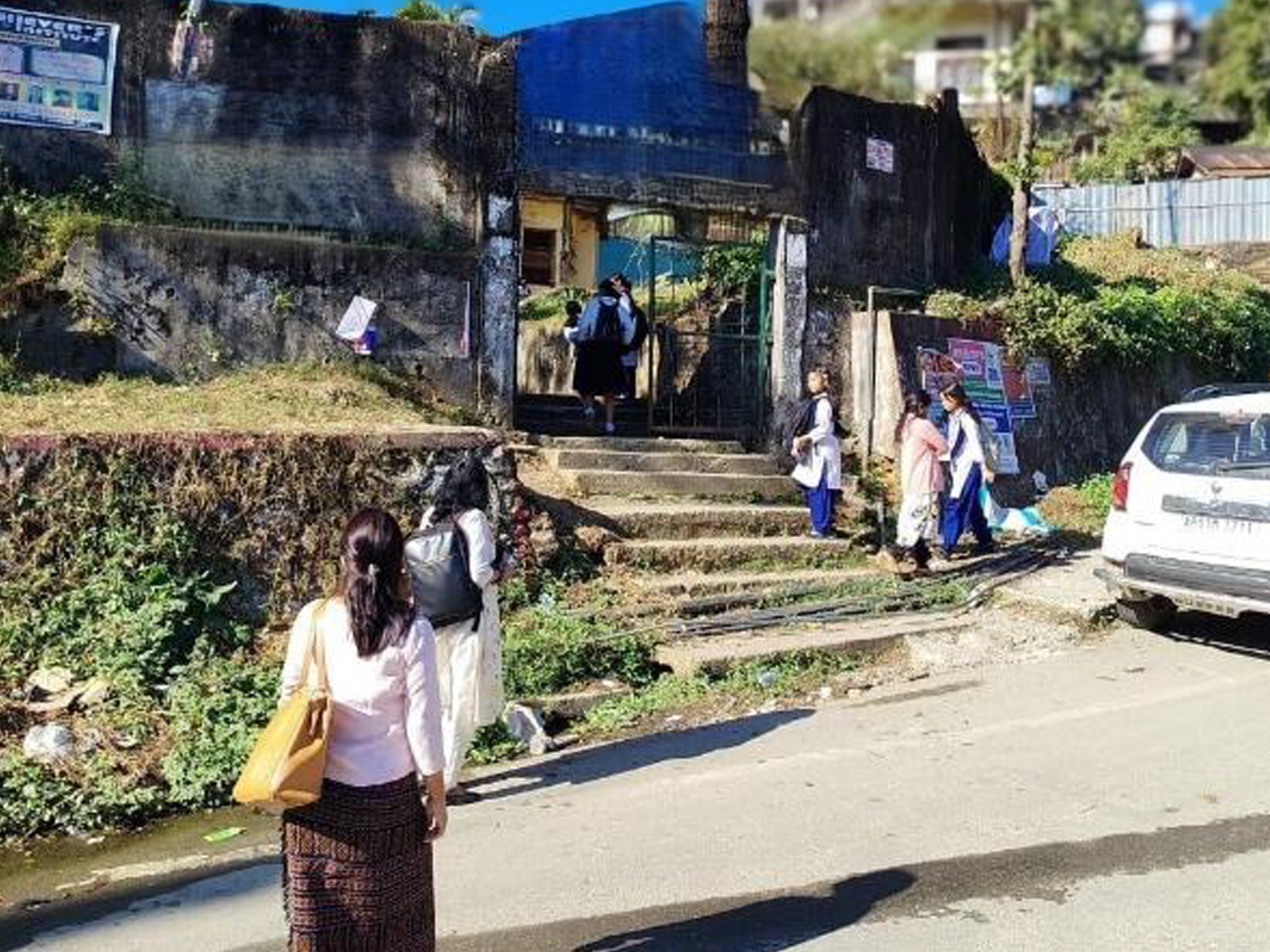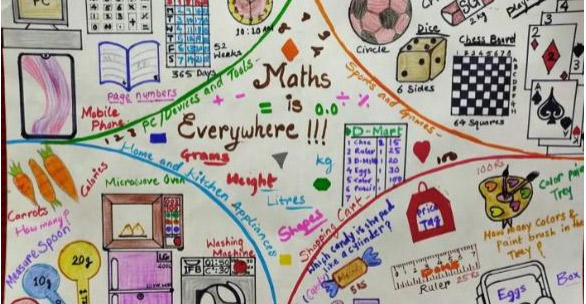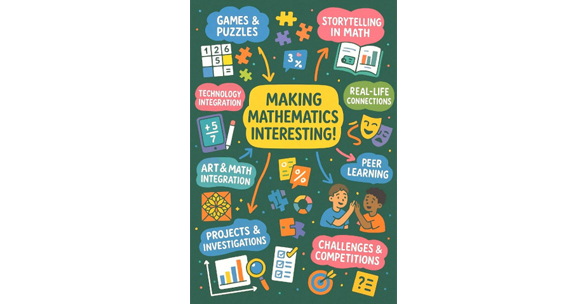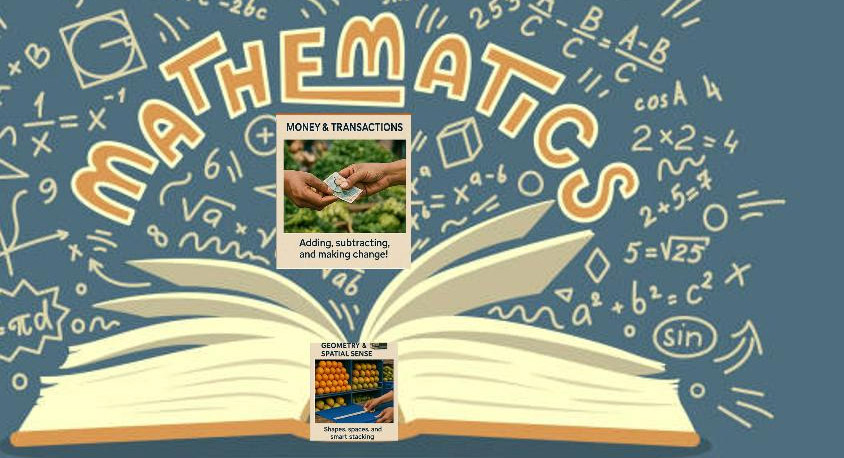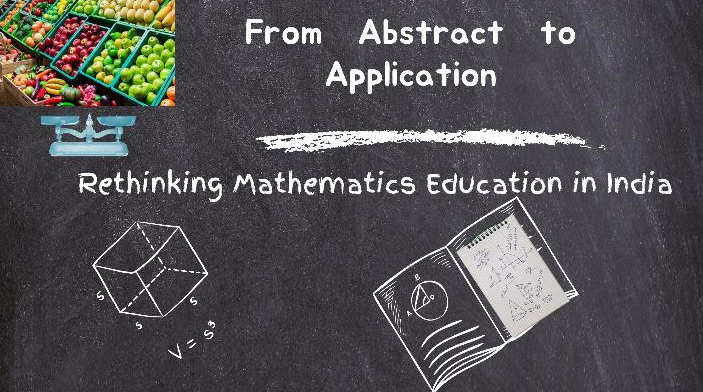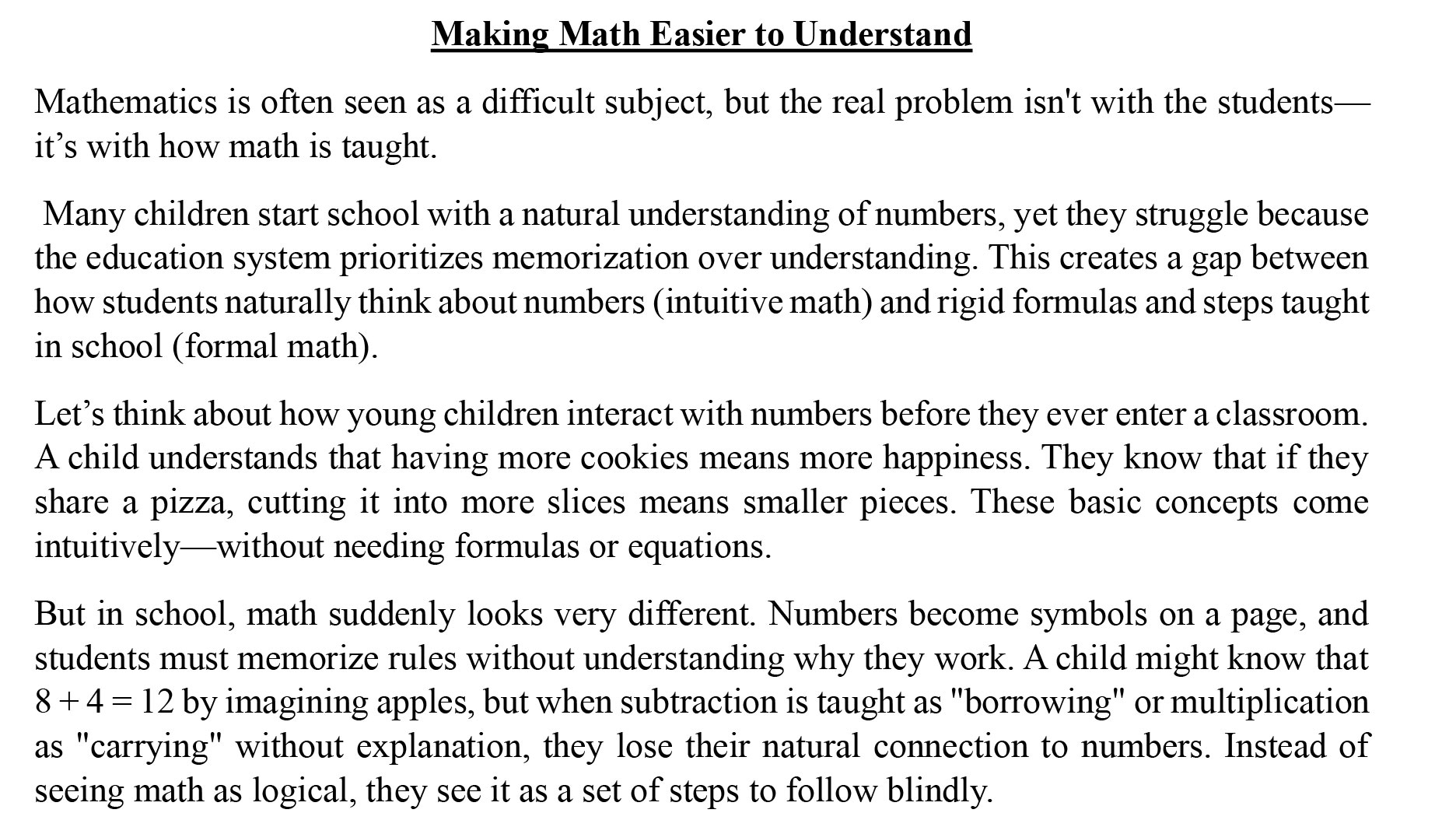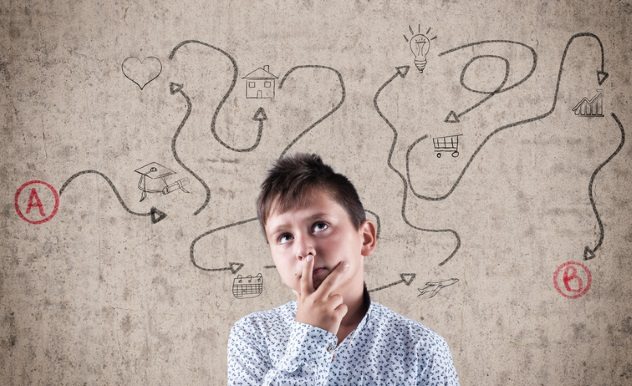





The MIT study highlights a significant gap between the math skills of children working in markets and those attending school. Market-working children excel at practical, real-world math problems but struggle with formal academic mathematics, as they are spending most of their time in real life and practical situations. Conversely, school-going children perform well on academic problems but falter with practical calculations, as they have very less or no time for real life situations. I suggest recognizing and integrating the practical math skills children acquire outside of school into the formal curriculum. This could involve using collaborative games and self-checking mechanisms to bridge the gap between theoretical knowledge and practical application.
Addressing the challenges highlighted in the article requires a multifaceted approach that integrates practical math skills into formal education, encourages collaborative learning, implements self-checking mechanisms, provides professional development for teachers, and involves the community. By adopting these strategies, we can create a more holistic and effective math education system that benefits all school-going children.
1.Integrating Practical Math into Formal Education
One effective approach to bridge the gap between market-working children and school- going children is to integrate practical math skills into the formal curriculum by focusing on
- 1. Real-world Problems: Introducing math problems that mimic real-life scenarios, such as calculating change, measuring quantities, or planning budgets.
- 2. Project-based Learning: Engaging students in projects that require them to apply math skills in practical contexts, such as running a mock business or designing a community garden.
- 3. Field Trips: Organizing field trips to markets, shops, or other places where math is used daily, allowing students to see the relevance of math in the real world.
2.Collaborative Learning
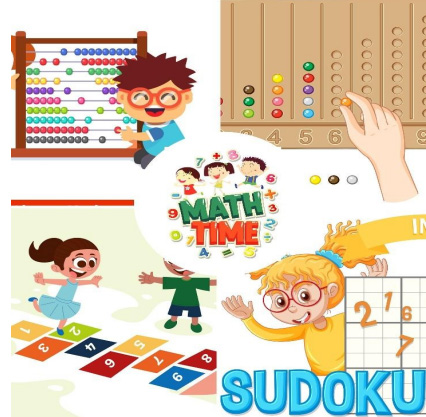
Encouraging collaborative learning can help students develop both practical and academic math skills. This can be done by:
- 1. Peer Tutoring: Pairing students who excel in different areas of math so they can learn from each other.
- 2. Group Activities: Designing group activities that require students to work together to solve problems, fostering teamwork and a deeper understanding of math concepts.
- 3. Math Club: Establishing a Math Club, where students can come together to explore math in a fun and interactive way, participating in math games, puzzles, and competitions.
3.Self-checking Mechanisms
Implementing self-checking mechanisms can empower students to take ownership of their learning and improve their math skills. This can include:
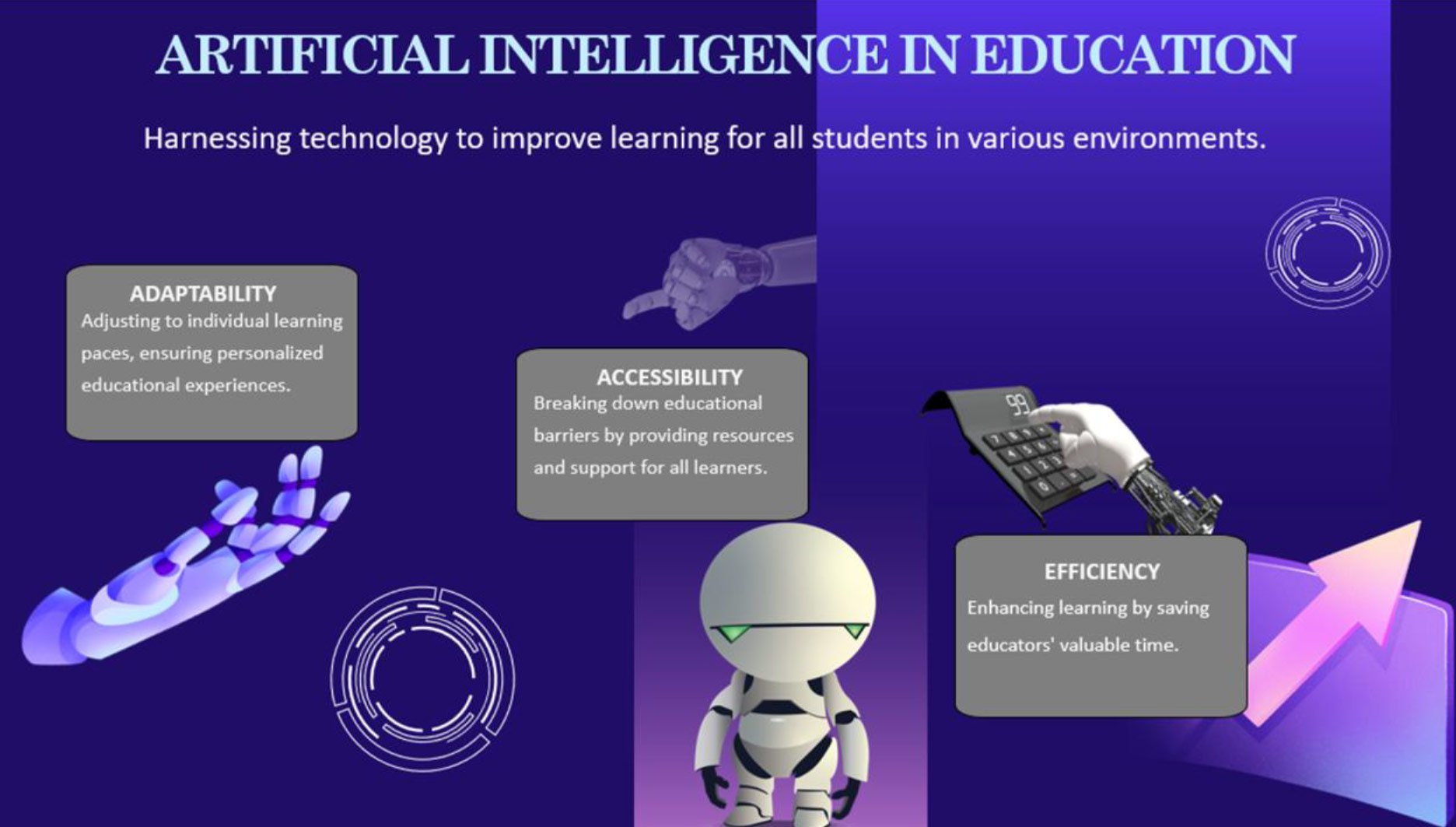
- 1. Interactive Software: Utilizing educational software that provides instant feedback on math problems, allowing students to correct their mistakes and learn from them.
- 2. Practice Sheets: Providing practice sheets with answer keys, so students can check their work and understand where they went wrong.
- 3. Math Journals: Encouraging students to keep math journals where they record their problem-solving process, reflect on their learning, and identify areas for improvement.
4.Workshops and Training
Organizing workshops and training sessions that focus on practical math applications, collaborative learning techniques, and self-checking mechanisms.
5.Community Involvement
Engaging the community can also play a significant role in addressing these challenges. This can be done by:
- 1. Parent Involvement: Encouraging parents to participate in their children's math education by providing resources and activities they can do at home.
- 2. Partnerships with Local Businesses: Establishing partnerships with local businesses to create opportunities for students to apply their math skills in real-world settings, such as internships or job shadowing.
- 3. Community Events: Organizing community events that promote math education, such as math fairs, competitions, and workshops.
Plan of action to address the challenges highlighted in the article:
- 1. Inclusion of Mental Math Activities / Exercise books in school and conducting a test for the same from grades 5 to 12 every year.
- 2. Organizing activities/ festivals/ fairs related to business investment/expenditure, profit/loss in school.
- 3. To cover geometry, we can have activities involving construction of 3 D models, starting from planning, designing, fund raising, actual construction, all to be organized by the students.
- 4. Every day, student volunteers of each class can be given duty in reception area, school office, library, canteen area, stationery and uniform shops to gain experience in this field.
- 5.Gardening club for growing /selling fruits, vegetables, flowers in school by students can be started. Small areas can be allocated for gardening activities in the field and students can take care and maintain records.
- 6. Organizing events for sale of paintings, soaps, handmade paper, candles and other products (all made by students in school) . Each grade can be given one product and after completion of the project a Fair can be organized .
- 7. Middle school students can be asked to plan meal planning activites for the entire class and students can contribute ( ingredients, plates, spoons etc) and make simple dishes in the activity periods.
- 8. Simple banking and finance related activities can be conducted for middle and secondary school students.
- 9. Craft work, knitting, basket weaving , cross stitch, needle work, macramé activities also involve math skills and will definitely help the students. These activities can be started for grades 6 to 9.
- 10. Certain sports and games involving simple Math skills can be planned for classes in the field in games and PE periods.

A dedicated maths teacher with over 20 years of rich teaching experience, inspiring young minds with clarity and confidence. Driven by a deep passion for maths, I believe in making complex concepts simple and enjoyable. My teaching style integrates creativity through art, craft, and 3D model making to enhance conceptual understanding. I bring a unique blend of academic strength and hands-on learning to the classroom, fostering both logic and imagination. With a lifelong commitment to student success, I aim to make mathematics a subject of curiosity and joy.
Mrs. Anjana Arora
Modern School Vasant Vihar
New Delhi 110057