




This article was originally published in Shiksha Saarthi, Issue- 9, August 2025.
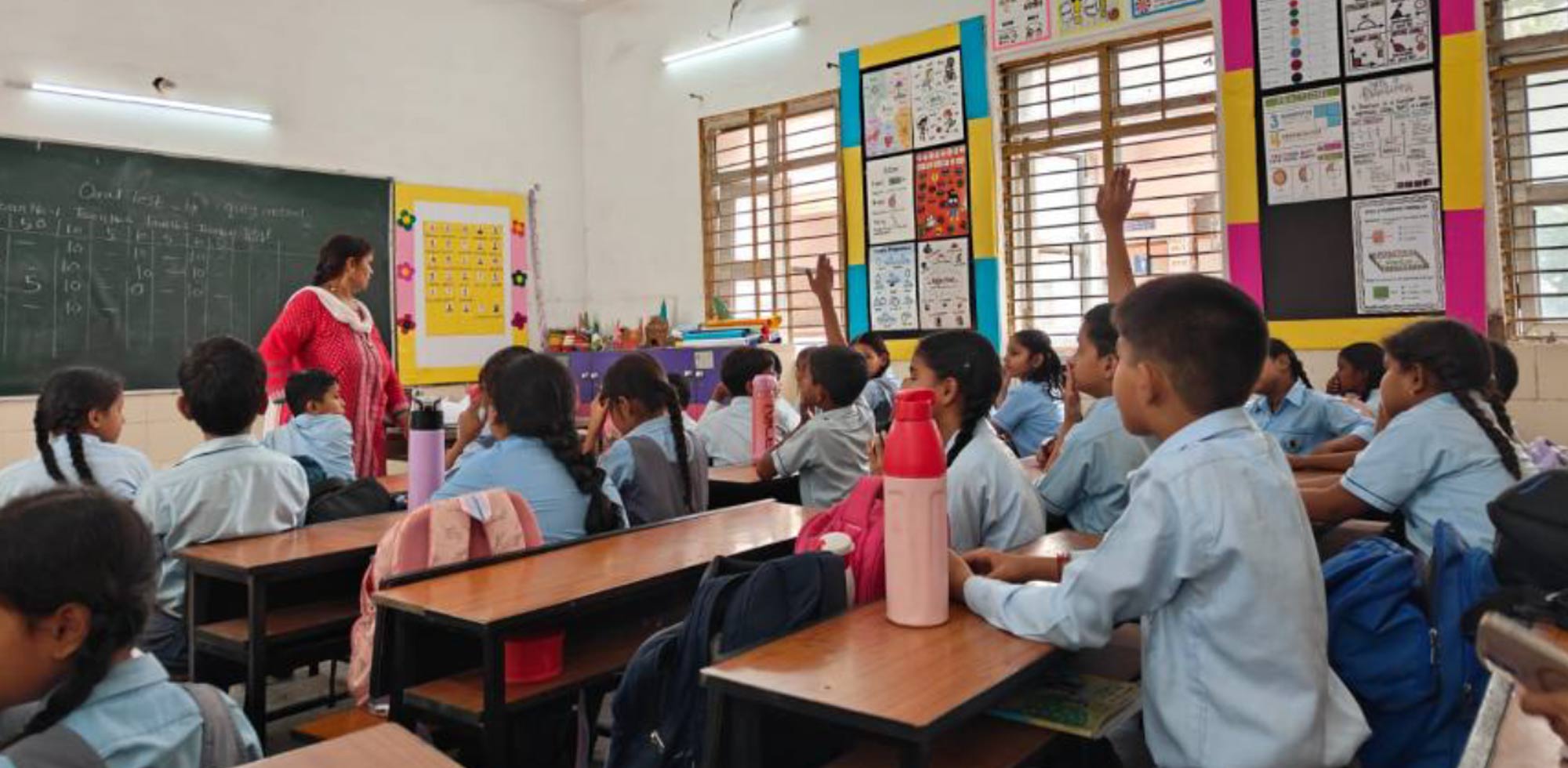
A classroom is much more than just a place where academic learning happens. It is where children learn to understand relationship, express emotions, and respond to challenges. Yet the entire focus remains on reading, writing and assessing their performances which remains central to our education system, life skills like emotional, and ethical learning are often overlooked. This results in behavioural issues like stress, depression, bullying and other psychological issues among children. In recent years, India has witnessed a disturbing rise in incidents reflecting emotional distress not only among children but also in adults. A recent incident attracted the attention of many,in which a man beat his 17 years old daughter to death for scoring low marks in NEET mock test. Such vicious and brutal cases engage children in violent clashes, and tragic suicides, and is somewhere down the line linked to distress, bulling and academic pressure. These events are not isolated misdeeds, rather they show the growing emotional and ethical imbalance among the people and young learners. Such events cannot be addressed through academic reforms alone and their intensity may continue to rise.
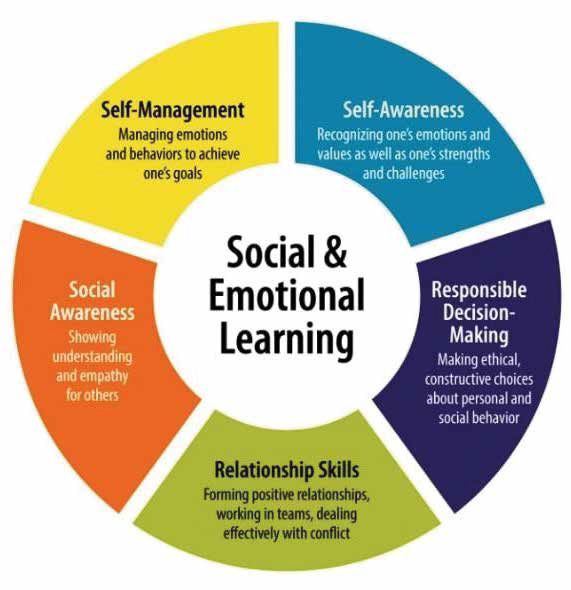
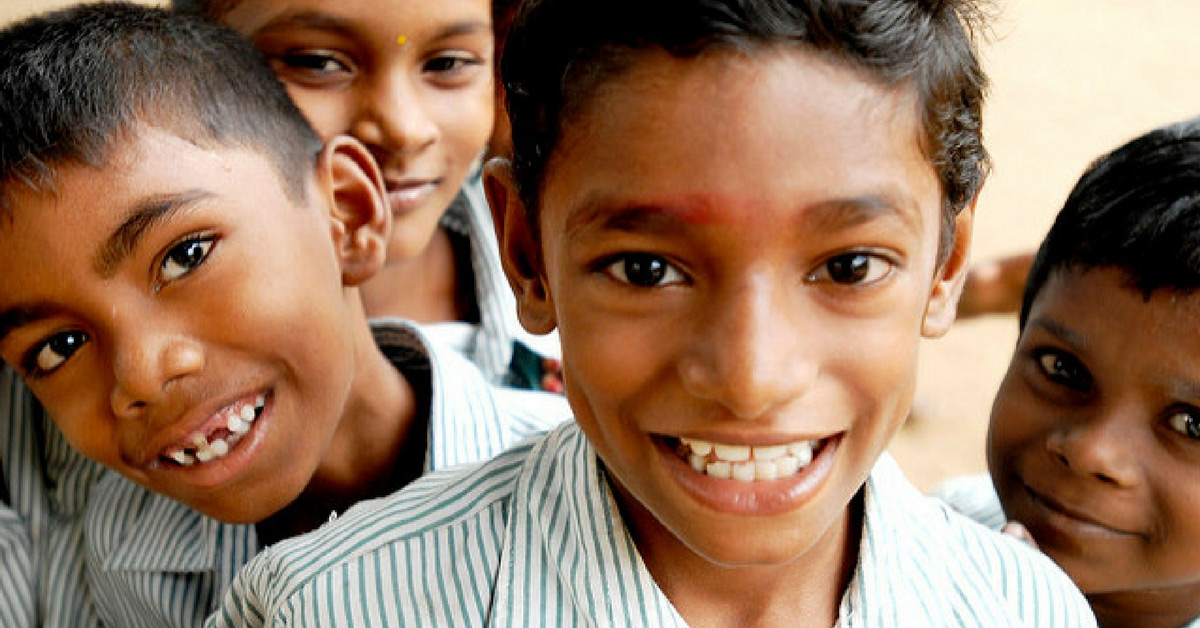
Image Source: https://www.stonehill.in/enrichment/social-emotional-learning
This is where Social, Emotional, and Ethical Learning (SEEL) becomes not only just relevant but urgent. SEEL is not a new concept, rather it is built into in daily activities. Like – it helps children to channelise their feelings and emotions in the right direction. It also supports developing in them a healthy sense of self-identity as children learn to manage their emotions and make thoughtful, informed, and rational decisions. A lot of effort has been put in by policy makers, and its implementers i.e. teachers to create a conducive and inclusive environment in the classrooms to enable students to develop such abilities. However, we still have a long way to go as the school education system appears to revolve around rigid examination and assessment systems leaving teachers to prepare students for tests, help them handle exam pressure, and meet assessment goals, having little opportunity for children's social, emotional development.
What is Social Emotional and Ethical Learning (SEEL)?
In simpler terms – the concept of SEEL refers to a learning process of acquiring the knowledge and skills to understandand manage emotions. It helps individuals to set and achieve positive goals and make responsible decisions. It is not a process that can be learned in a single go. In fact, it is a lifelong journey and a continuous learning process. Overtime it helps individual to become more empathetic, interact with others respectfully, and build a positive relationship. Ultimately, it is a process that supports the development of an individual to become emotionally intelligent, socially aware, and responsible.
Why SEEL Matters in India
In a diverse country like India, where children come from different cultural, linguistic, and religious backgrounds, it is important to create a classroom environment where every child feels safe, secure and respected. The Rights of every child should be valued and protected in the classroom.
Moreover, research shows that student stress and mental health issues in India are increasing. According to the National Crime Record Bureau (NCRB), over 13000 students in India died by suicide in 2023, with more than 2000 linked to academic failure. This alarming data highlights the importance of supporting children not only academically but also emotionally.
This is where SEEL plays a vital role. SEEL on the one hand helps create an inclusive, and safe space where children are seen, heard and valued and on the other it helps in resolving the conflicts peacefully and developing a sense of belongingness. Research also shows that SEEL helps children to perform better in academics and also demonstrates improved behaviour and emotional resilience.
Core Competencies of SEEL
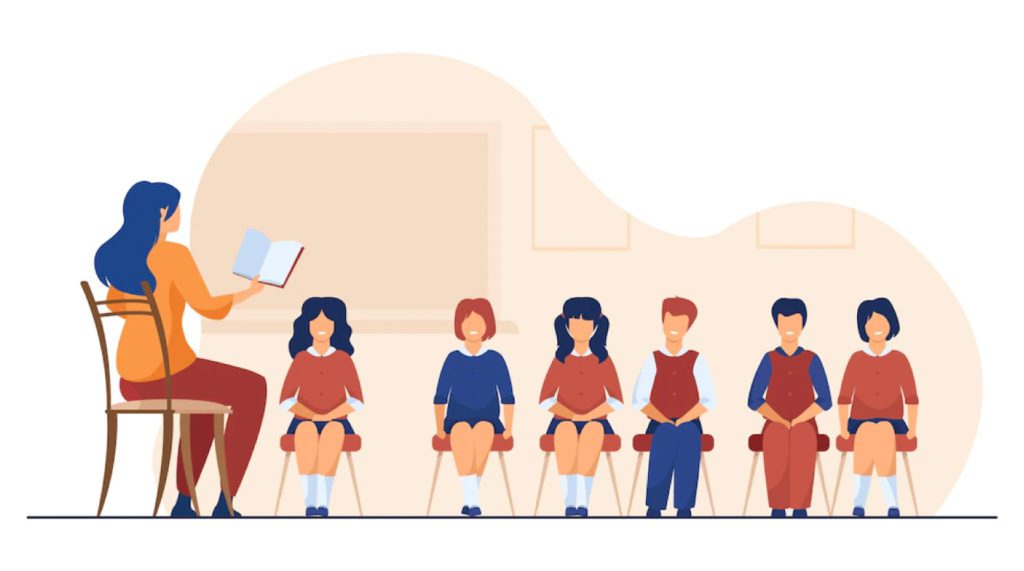
Implementation of SEEL in the classroom is not a difficult task. There are multiple ways to implement it. Nonetheless, for children, storytelling and play could be one of the options. Through storytelling and play a child may not only learn to explore but also practice important life skills like emotions and empathy.
Similarly, art, painting, and music are also effective and efficient methods to introduce SEEL in the classroom. Through these creative outlets children can learn to express and develop emotional understanding. Group activities and interactive games also support children to develop important social skills such as teamwork, trust and cooperation. Whereas, mindfulness practices like breathing and meditation can also be introduced to improve focus and self-awareness among the leaner.
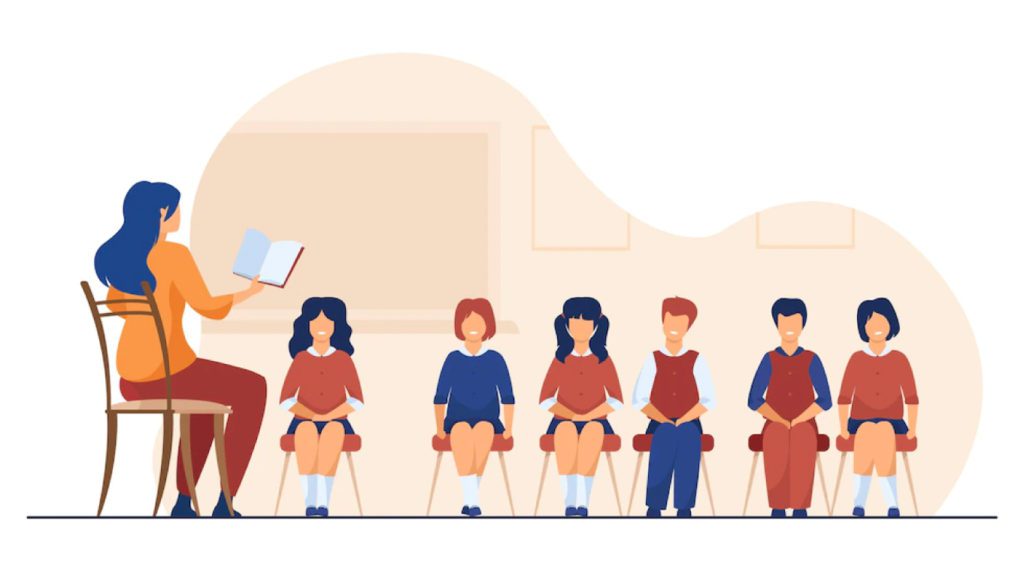
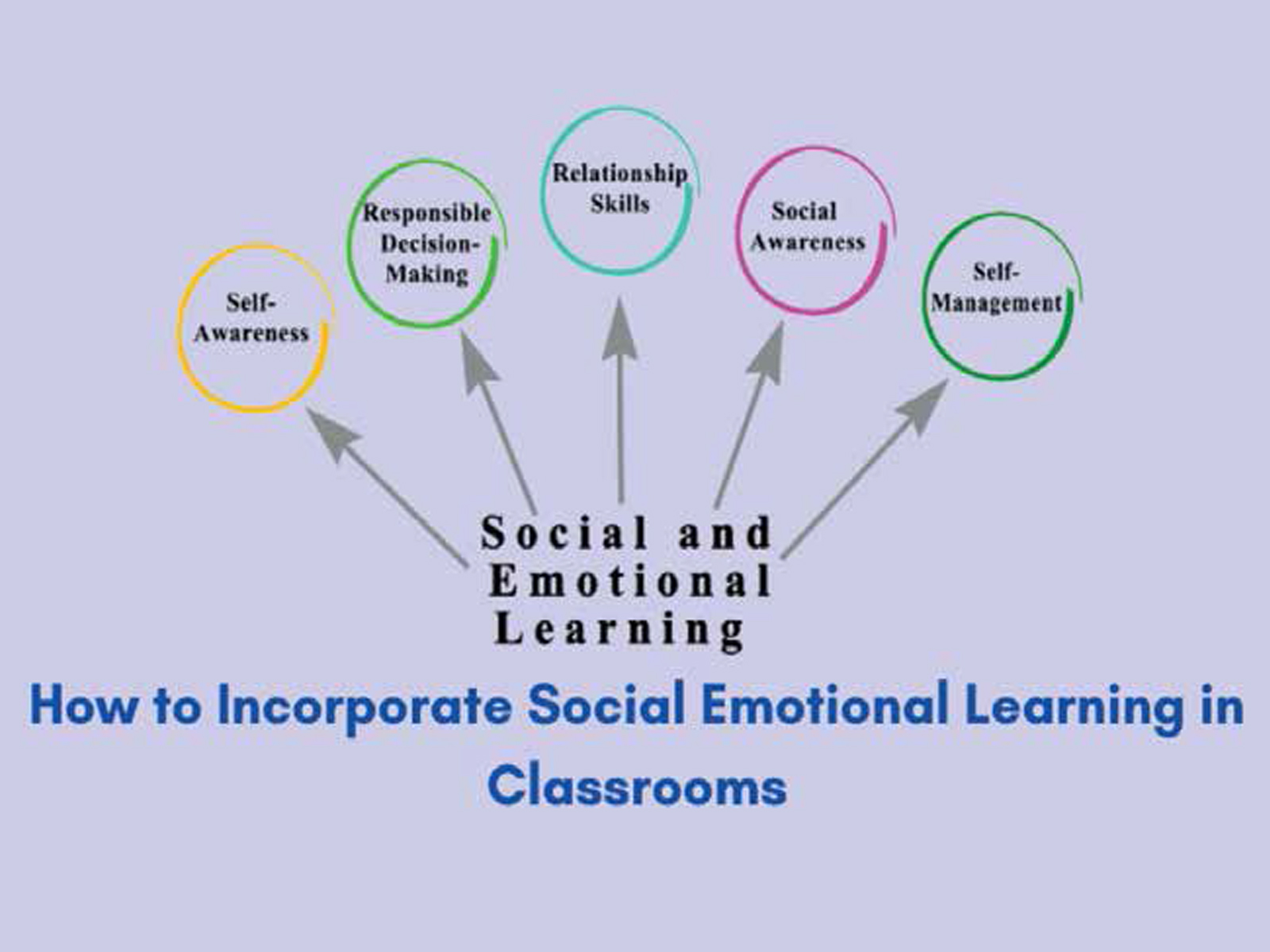
Daniel Goleman, one of the pioneers in emotional intelligence, identified self-awareness, self-management, social awareness, relationship skills and relationship decisionmaking as the five core components that align with SEEL.
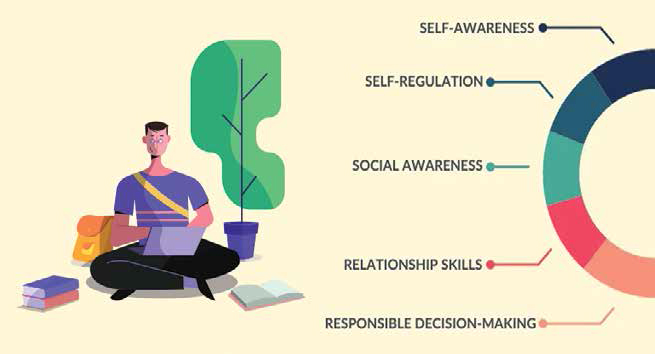 Image Source: 21K School Blog – Benefits of Social Emotional Learning
These components are closely linked to the culture and ethos and can be taught from a young age.
Importantly, India’s New Education Policy, NEP 2020, recognises the importance of holistic education and emphasizes on the values such as empathy, ethics and emotional wellbeing.
Children’s Wellbeing in Classrooms in India
In India, many steps that have been taken to improve the wellbeing of children. However, much more needs to be done in this regard. Apart from cultural values and local ethos, states like Delhi and Uttarakhand, have introduced the Happiness Curriculum for the mindfulness and emotional wellbeing of children in the classroom. Similarly in the state of Jharkhand, programme UDAAN empowers adolescents with life skills and health education. Telangana’s Residential Schools, led by visionary educators, have also incorporated SEEL into everyday learning through culturally rooted and innovative programmes.
Challenges in implementation of SEEL in India
Although the NEP 2020 advocates for the holistic development, it does not offer a concrete framework for the integration of SEEL into the curriculum. One of the major challenges is the lack of teachers’ training. Most of the teachers in India have not received the training for the SEEL and without proper training it becomes difficult for teachers to nurture emotional intelligence and to implement the SEEL programme. The limited resources especially in the rural and underprivileged areas may also act as the limitation for the SEEL.
Despite the limitations, some steps can be taken to reduce these challenges. For example, proper training should be given to teachers. Well-trained teachers are more likely to understand the importance of SEEL and can help in its implementation. Along with this, the curriculum should also be designed in a way that supports SEEL in classrooms. An age-appropriate curriculum will be more effective for this purpose. Instead of treating it as a separate subject, SEEL can be integrated across disciplines through storytelling, games and discussions. It is also important for the government to invest in research to better understand the effect of SEEL on students’ performance and their mental wellbeing. Research on SEEL and data collection can help in shaping better practices and policies for its implementation.
Social and Emotional Learning is not just a programme, rather it is a skill that aids in the development of mindset. As India is working to transform its education system, with the idea of holistic development – SEEL offers a hopeful path for socioemotional development of children.
Research Associate
Modern Insititute for Education
ferozkhan@mieglobal.in