




Dialogue in the classroom: Resolving Conflict, Strengthening Democracy
The role of dialogue in democracy
Dialogue, discussion, and debate (D-3) are the cornerstones of a democratic society. To address challenges, issues, and conflicts of a society, particularly as diverse as Indian society, peacefully and amicably, the D-3 serves the purpose most effectively and efficiently. Evidently, debate is an inherent quality of how any democracy operates around the world. In fact, debate and dialogue form the very core of democratic nations. Schools, as the foundation of society, are expected to show this in their daily practices, where conflicts are resolved constructively. Rising conflicts in schools
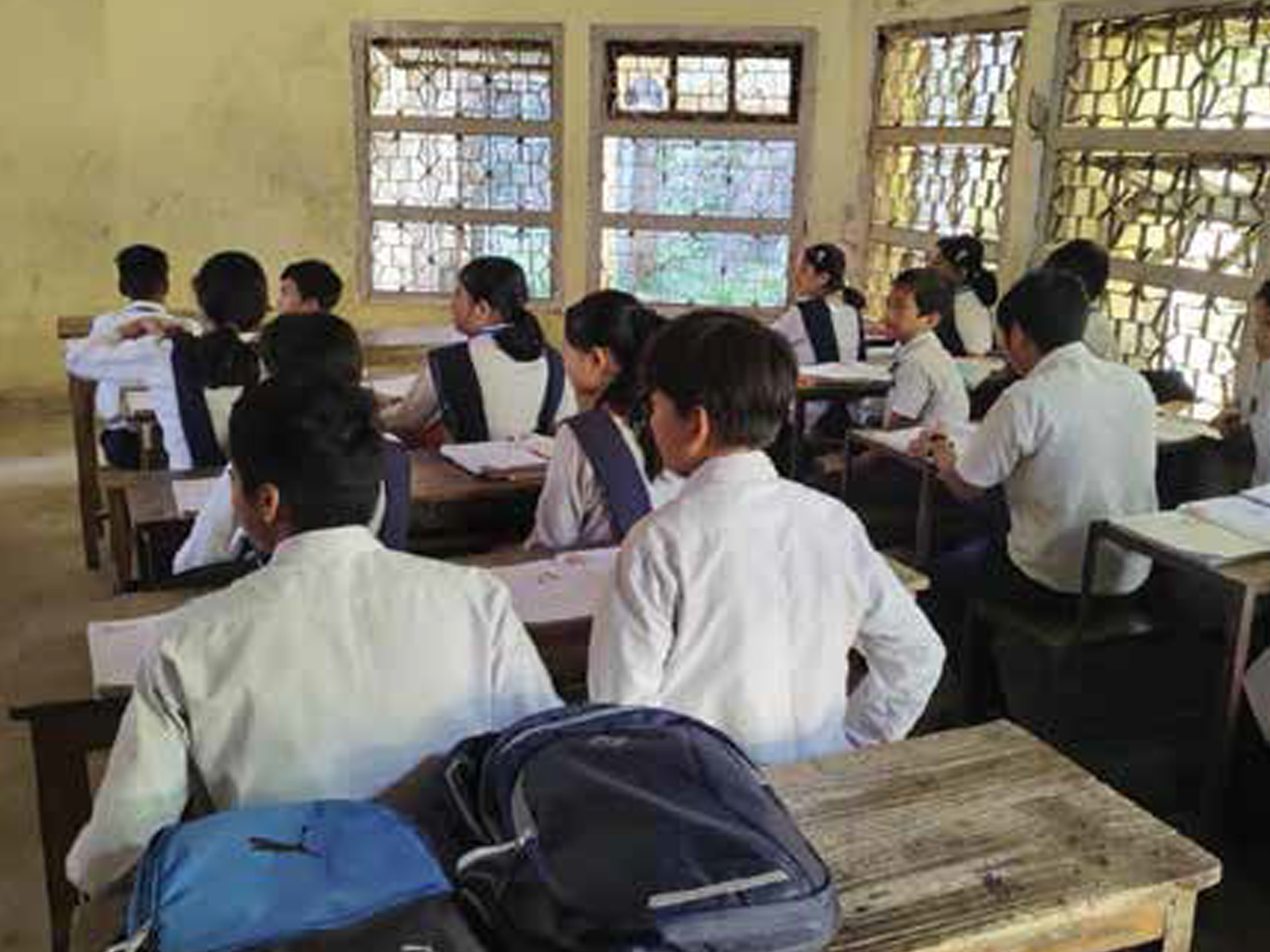
However, it appears that the schools are becoming spaces especially for students to show dissent and disagreement violently, engage in conflicts and bullying both in the classrooms and outside of them. Clearly, conflicts are not being resolved through conversations and dialogue. In fact, in recent times, schools have witnessed some of the ghastliest incidents of violence and conflicts on their premises. And the phenomenon is transnational and has caught the attention of filmmakers, resulting in critically acclaimed mini-series on Netflix, ‘Adolescence’.
Many of the recent incidents reported in the media from different corners of India show that anger issues, bullying, and gender- based violence in schools are increasing at an alarming rate. What is most concerning is that it has penetrated all the nooks and corners of our nation. A cursory glance at everyday news will show multiple incidents from far and wide. Therefore, recognising the urgency of the situation, schools must reflect and critically evaluate whether their current mechanisms that are in place are truly effective in addressing such issues. One possible way is to discuss this directly with students and parents. Not through usual parent teacher meetings and classroom discussions, counselling sessions, and other regular means, but through innovative approaches. Maybe like the flipped classroom method, integrating case studies in EVS and social studies, and language arts classes that have enough scope for dialogue, debate, and discussion.
Why schools must act now
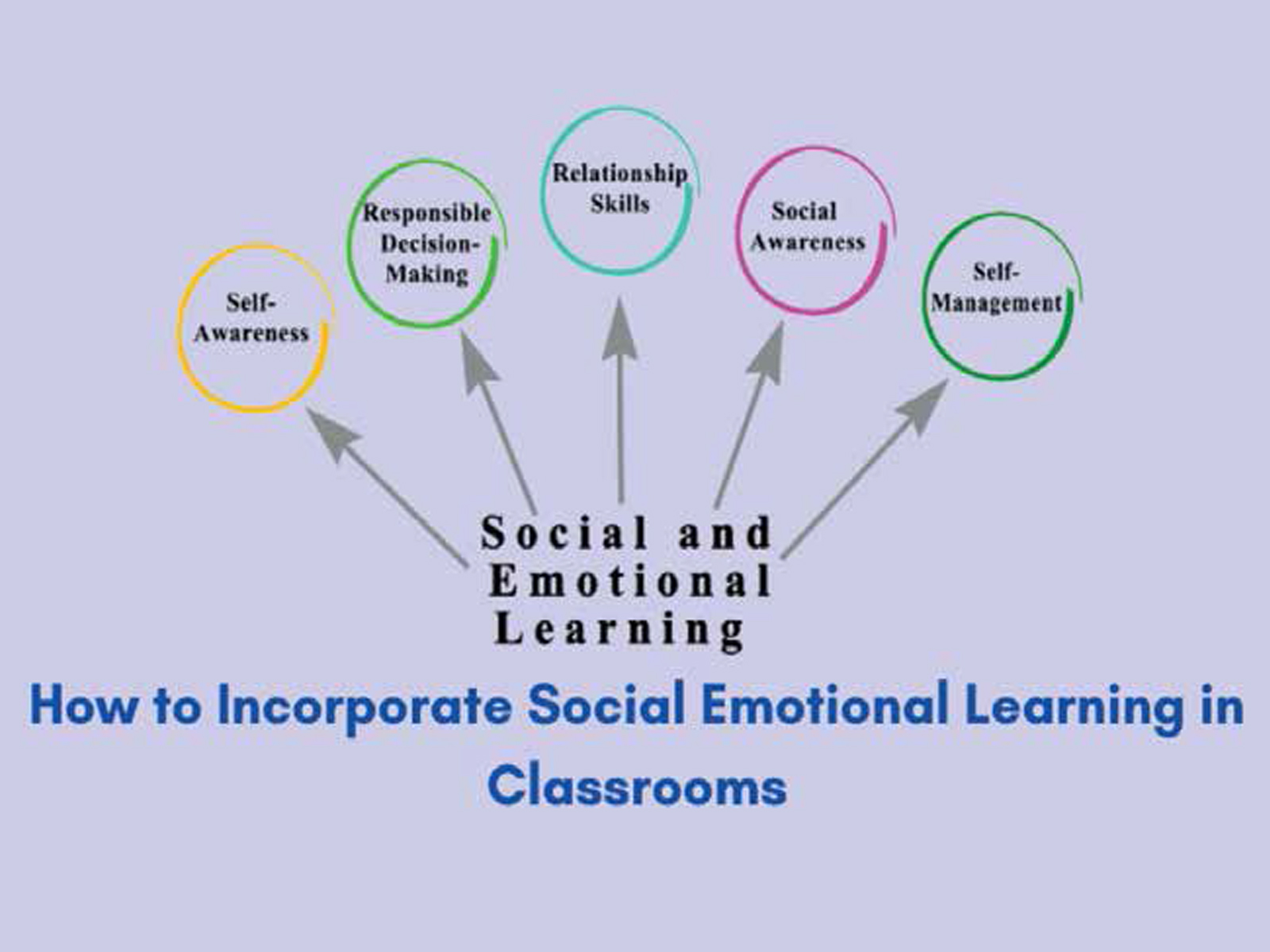
Therefore, apart from nurturing student's intelligence, creativity, and academic excellence schools have now been entrusted with taking care of their social and emotional well being. National Educational Policy 2020 also advocates for integrating socio-emotional and ethical learning in classroom processes and making it an integral part of school culture. Recognising the urgency of the situation NCFSE 2023 has also suggested certain measures to be adopted in the school to address conflict issues and to resolve them peacefully.
Dialogue, debate, and discussion: What research shows
Numerous studies show that dialogue, debate, and discussions are highly effective for helping students develop skills in empathy, critical thinking, and peaceful conflict resolution. These methods encourage students to explore perspectives, negotiate differences, and find collaborative solutions, thereby resulting in fewer conflicts in the school. A qualitative study on an interactive debate model in elementary school found that structured debates significantly increased student engagement, critical thinking, and the ability to accept diverse viewpoints. Similarly, another study showed that dialogue-based pedagogy enhances collaborative inquiry and critical reflection in diverse classrooms, turning conflicts into opportunities for understanding. Another integrative review of instructional approaches for learning to argue through dialogue found that the enhanced social skills and in-school settings led to better conflict resolution by creating safe spaces for dialogue and debate.
In another study, researchers found that 16 hours of training in communication, active listening, and negotiation resulted in 82 percent of conflicts resolved through win win agreements via dialogue. This discussion-based model empowered students to negotiate disputes peacefully, significantly outperforming the control group.
A study conducted in fifth grade social studies classes showed that incorporating debate into the curriculum enhanced argumentation as a problem-solving process. Students showed enhanced ability to construct logical arguments, consider multiple viewpoints, and resolve conflicts amicably. On similar lines, a pre post-test study of a conflict resolution programme for 6th graders integrated into social studies showed significant improvements in coping skills after four months of training in communication, cooperation, and bias awareness. Dialogue and mediation activities led to higher post-test scores, indicating enhanced ability to handle conflict constructively.
Building skills for peaceful conflict resolution
All these studies affirm that dialogue and discussion-based pedagogy can build a strong foundation for conflict resolution peacefully and amicably. The capacities and abilities crucial for solving problems are critical thinking, sensitivity towards diversity, and emotional intelligence.
Students can deepen their understanding of a situation, issue, challenge, or problem by considering multiple perspectives, and engaging in dialogue and debate provides them with the opportunity.
Takeaways for school community
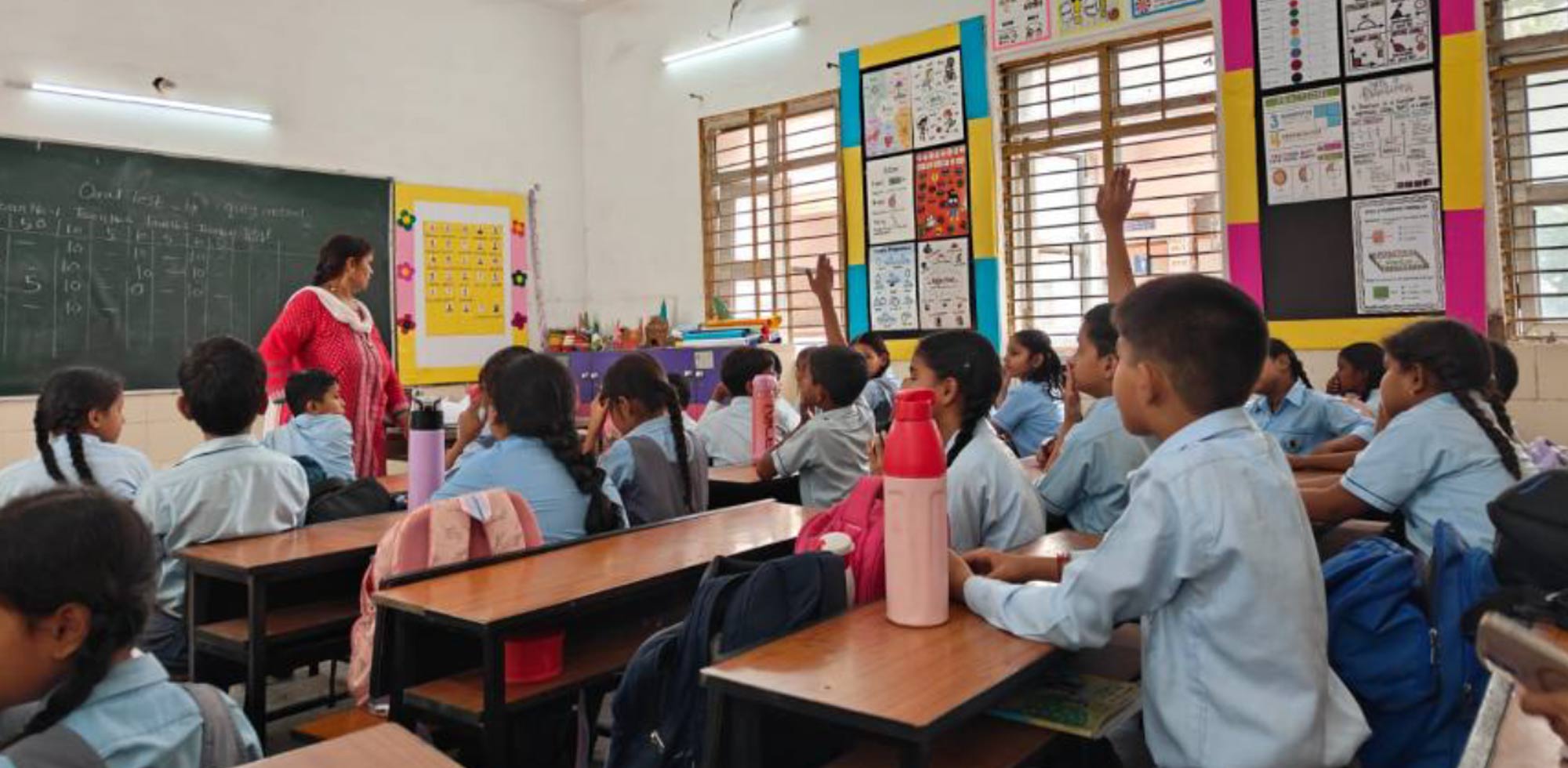
Creating a safe and secure environment in school is a responsibility of every stakeholder. However, it is the teacher with whom students spend much of their time. Therefore, it is the teacher who bears the responsibility to create opportunities for students to share their concerns, have dialogues, and feel heard in the classroom. The fear of being judged is the most crucial feeling for most students who hold themselves back from expressing themselves. Once they feel that they can express their feelings, thoughts, emotions, and views without being judged, many of the issues get resolved constructively. Therefore, teachers must come up with innovative strategies in a collaborative manner to make students feel safe and secure. One strategy involves identifying common issues, brainstorming collaboratively, creating a short-term plan, maybe a monthly plan, implementing it, gauging the impact, and then revising it to be more inclusive and effective. For example, based on the identified issues, teachers can search and curate short videos and share one clip each day with their students depending upon the identified issues, as food for thought. These clips can be discussed during zero period, or In social science period, or in language period, or any other period suitable for them. This flipped classroom model gives enough scope to think, reflect, and discuss and debate on a number of issues students are either facing or creating! It will widen their perspective and deepen their understanding of the issues and problems discussed during such an exercise.
Another way to do such exercises is to give students worksheets first, and then have discussions and debates in the class.
It takes a village to raise a child
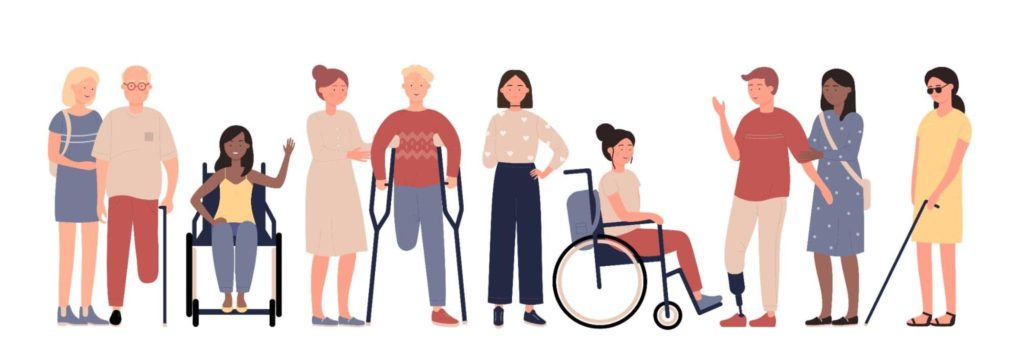
The saying that it takes a village to raise a child has become particularly meaningful in the present era of AI disruption. Overwhelmed by parental expectations and modern aspirations, students are pressured to act like machines, attending multiple classes each day to hone their skills in sports, music, dance, and other extracurricular activities, in addition to attending school. They do not get time to think, reflect, or spend some time with themselves, which adults call 'me time'. Over a period of time, the frustrations, emotional baggage, and anxiety to perform accumulate, resulting in emotional and behavioural outbursts. In such situations, it becomes essential that parents be roped in to discuss issues and challenges that both students and schools are facing. Conflicts will always arise, not only due to student behaviour but also from the values that the school aims to instil in students versus the values they acquire from their families and society. This is evident in aspects such as gender roles and norms. While in school every attempt is made to instil gender sensitivity, equity, and equality among students, which are constitutional values, the society at large is still negotiating with them, creating conflicting situations for students. Regular workshops and orientation sessions become a crucial aspect of the school-home connection. Bridging the gap between parent and teacher can also be achieved through regular sharing of information engagingly and innovatively, viz., an infographic about gender issues depicting changing gender roles, norms, and data related to the associated benefit. Similarly, infographics and pamphlets based on disability issues, mental health, and well-being, etc., can also be shared during PTMs.
Schools play a crucial role in shaping the future of our nation. Therefore, they must enable our future citizens to think critically, have a wider perspective, and take informed decisions based on dialogue, discussion, and debate. They must be able to discern the gravity of issues, perceive them from multiple perspectives, and take actions to resolve them peacefully. The seeds of such behaviour are sown at early stages, and schools play a huge role in this.
Technical Advisor
Modern Institute for Education
Centenary Block, New Delhi
anvitisingh@mieglobal.in