


Imagine walking into a classroom where your questions are answered instantly, your homework is checked in seconds, and every lesson is tailored exactly to your learning speed. Sounds exciting, right? This is not science fiction anymore—it is the reality of Artificial Intelligence (AI) entering our classrooms. But as with every new innovation, one pressing question remains:
Is AI truly a friend that supports education, or a foe that disrupts it?
AI as a Friend: The Bright Side of Technology
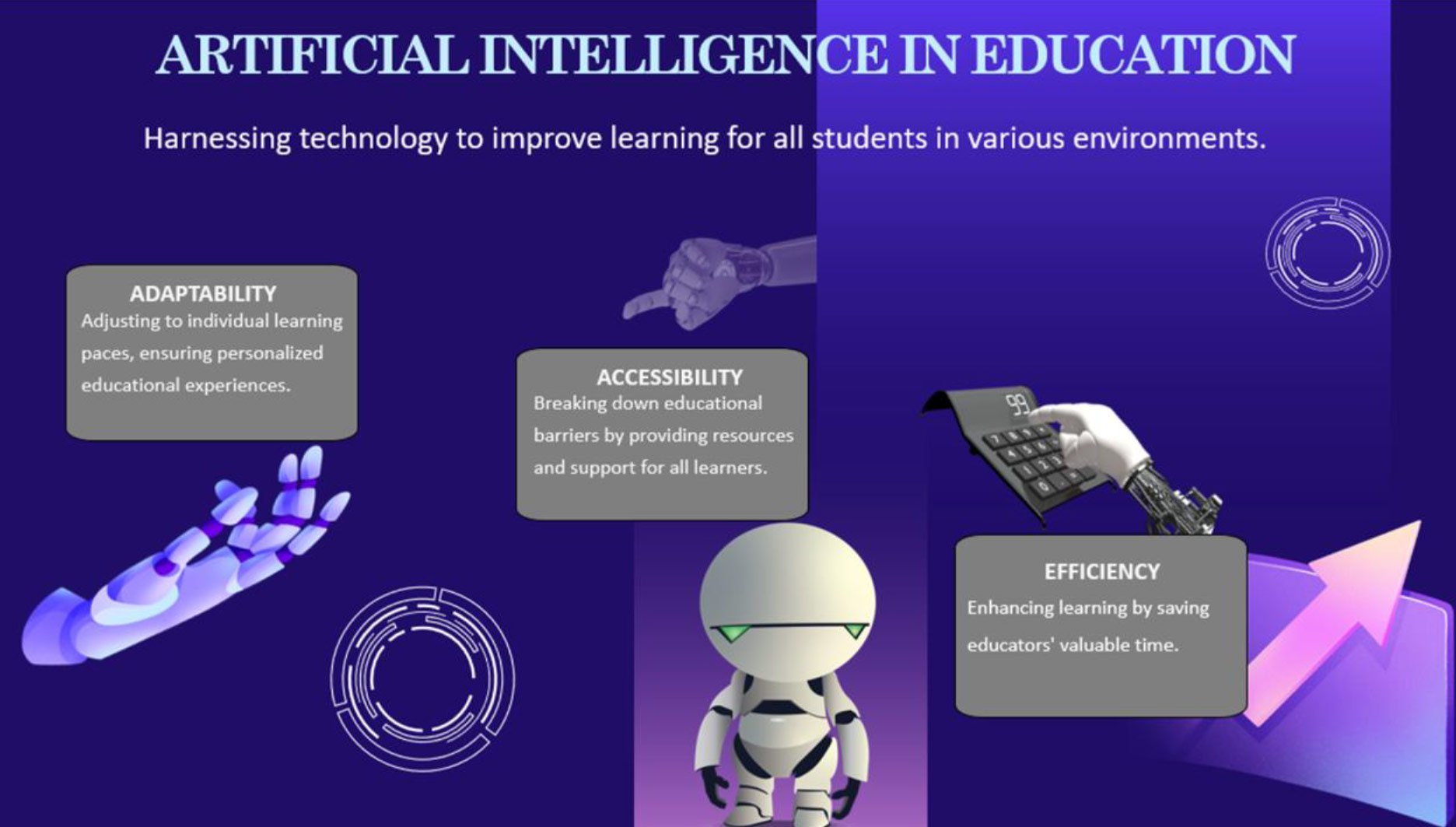
One of AI’s most significant advantages is its power to personalize learning. Adaptive systems can adjust content to each student’s pace and style, significantly boosting motivation and academic outcomes as shown in recent education studies.
Tools like intelligent tutoring systems (ITS) provide real-time feedback, enhancing both understanding and retention, with research showing gains in subjects like engineering through flipped classroom models powered by AI. Similarly, studies on personal AI tutors report grade improvements of up to 15 percentile points.
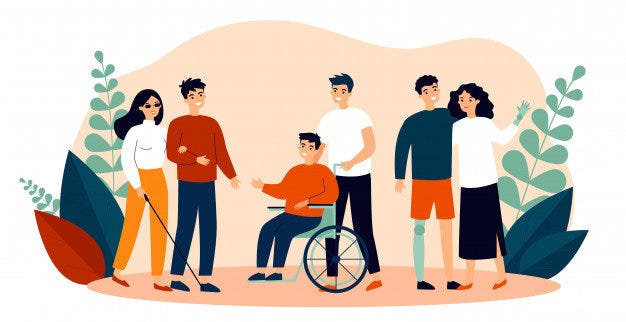
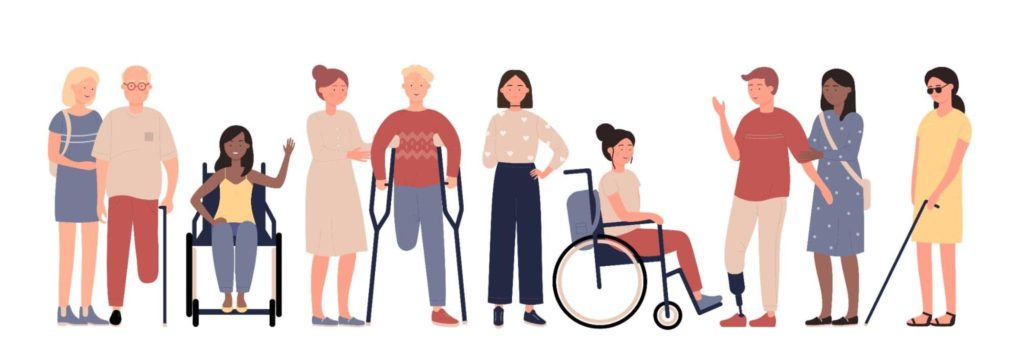
AI also promotes inclusivity. For example, systematic reviews show that AI supports learners with disabilities by adapting content in real time, using virtual agents to foster communication and social skills (AI in inclusive education). Research from Stanford highlights how inclusive design allows tools like real-time captioning to benefit not only students with disabilities but also all learners.
Teachers, too, gain from AI. Routine tasks like grading, attendance, and lesson preparation can be automated, freeing up time for deeper engagement with students (AI supporting teachers).
AI as a Foe: The Concerns We Must Address
Despite these benefits, AI also raises serious concerns.
Overdependence and Loss of Critical Thinking
Overreliance on AI might weaken critical thinking. Scholars caution that students may stop reasoning independently and struggle in situations where AI isn’t available (Springer study on AI and reasoning).
Digital Divide and Equity Issues
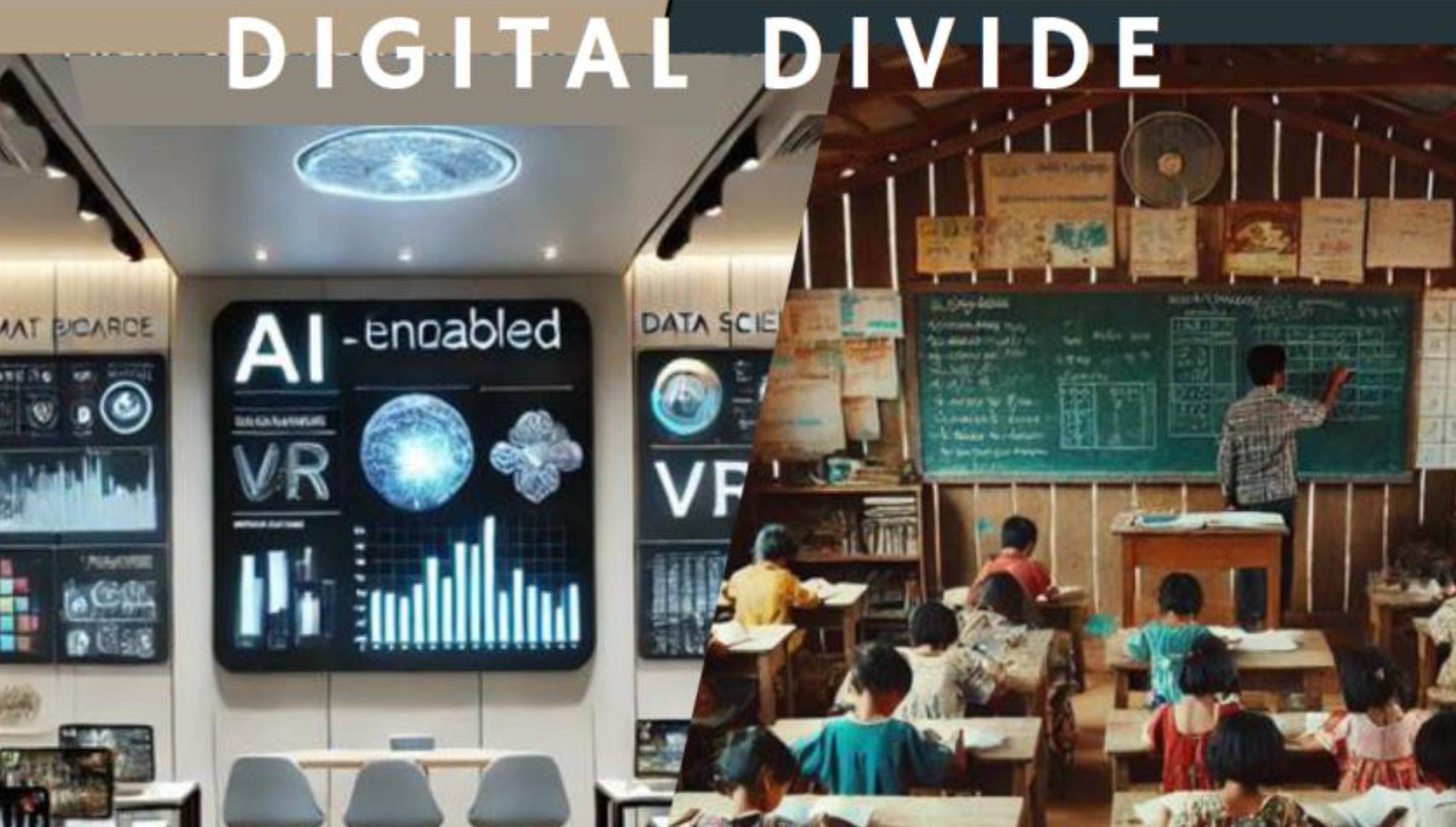
AI’s benefits are not equally accessible. Unequal infrastructure, especially in rural or under resourced areas, could worsen existing gaps in education (Frontiers review on AI equity).
Privacy and Ethical Concerns
Privacy remains a major worry. A survey found that nearly 70% of parents oppose sharing student data with AI tools, fearing misuse or breaches (Times of India report). Policymakers also warn about algorithmic bias, manipulation, and emotional profiling by AI systems (UNESCO related findings).
Policy Confusion and Academic Integrity
AI’s rapid rise has outpaced school policies. Many institutions still lack clear rules, creating confusion and potential unfairness for students. Concerns about cheating have also sparked reforms, with some universities shifting toward oral exams and in-class assessments (Vox article on AI and cheating).
Finding the Balance: AI with a Human Touch
So, is AI a friend or a foe? The truth is—it is neither. AI is a tool, and its impact depends on how we use it.
- AI as a co-teacher. Let AI handle repetitive tasks, while teachers focus on creativity, discussion, and empathy.
- AI for inclusivity. Inclusive design ensures tools like captioning and adaptive platforms serve all learners, not just a few.
- AI for digital literacy. Students must learn to use AI wisely, critically, and ethically.
- Ethical frameworks. Policymakers must ensure privacy, equitable access, and clear guidelines for academic integrity.
Conclusion
AI in education is like fire—it can illuminate or burn, depending on how it’s handled. Used responsibly, it can make learning personalized, efficient, and inclusive. Misused, it can create overdependence, inequality, and distrust.
At the end of the day, AI may be intelligent, but wisdom remains human. The future of education lies not in choosing sides, but in pairing AI’s power with human values. It can also be stated with confidence that AI teaches us many things—but only humans can teach us how to live wisely.
* Ms. Kumari is a graduate in Political Science (Hons) from Kalindi College, University of Delhi. She holds a Master’s degree in Politics with a specialization in International Relations from Jawaharlal Nehru University (JNU), New Delhi. She has also undertaken archival research as a Research Intern at the Indian Council of World Affairs (ICWA), Ministry of External Affairs (MEA), Government of India. Her academic background and research experience give her a keen perspective on education, policy, and global issues.