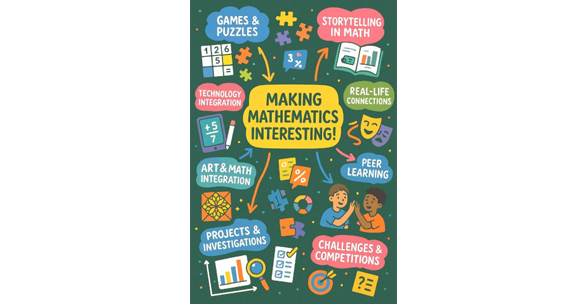





It is widely recognized that play is a crucial and inevitable aspect of a child's development. We can’t overlook or ignore the truth, it remains unwavering: no child can develop holistically without playing. Playing is not just about making them strong physically, rather it is the process by which we can help children to think critically and logically. Play fosters in them creativity, emotional well-being, social bonding, and cognitive growth. Play helps children to go beyond the realms of rigid textbook and explore the world in its truest form. The point of emphasis here would be that development of a child is not unidirectional, and neither the child development happens only in one aspect. Through play, children form meaningful peer relationships and learn to communicate, collaborate, and do problem solving emphasising on all the vital aspects of human life. Keeping in mind these benefits, it becomes imperative for the practitioners to incorporate play into the curriculum, not as a tedious add-on project, but as a natural, integral component of the learning process.
Despite several researches claiming the importance of play and affirming its developmental significance (e.g., Mastrangelo, 2009; McAloney & Stagnitti, 2009; Whitebread et al., 2012; Zosh et al., 2018), there still remains a gap between what is theory and what is popularly practiced. Play is still treated as something extraneous and a cheap alternative. Therefore, it is continued to be sidelined in mainstream education. This disconnect is symptomatic of wider, deeper, more complex challenges
One of the first hurdles is semantic in nature. Play is a multifaceted phenomenon and notoriously difficult to define with precision (Mastrangelo, 2009; Whitebread et al., 2012). We can’t bound the definition of play under one aspect. It has various dimensions. The Oxford English Dictionary defines play as engaging in an activity "for enjoyment or recreation rather than a serious or practical purpose" (OUP, 2020). The perception of seeing play as non-serious and recreational activity far away from having any capability that can impart learning, has deeply influenced traditional educational settings that emphasise on rigid curricula, outcomes that can be measured, and standardized assessment (Martlew et al., 2011).
The false dichotomy between play and learning contributes to the marginalization of play in educational sector. When play is positioned as something separate from, or even contrary to, serious learning, it automatically reduces itself to a recreational activity or as a reward which teachers grant to children for completing the “real work” (Whitebread et al., 2012). It has somewhere gained the status of a recess activity. This view not only trivializes the educational value of play but also deprives children of one of the most effective pedagogical approaches available to them.
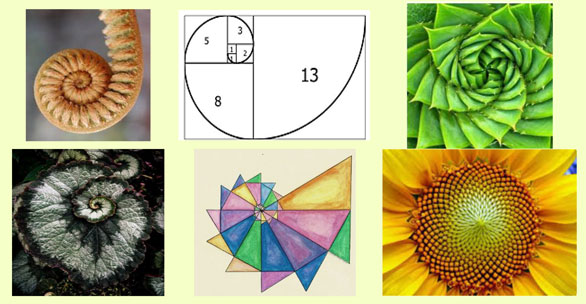
Every seed a child plants, every bird they observe and every little scratch over their knee while climbing the tree or chasing a butterfly carries lessons that no classroom can ever replicate. Hence we can’t make children sit in an artificial setting completely devoid of their social and natural environment. Real life learning is active and it doesn’t follow a script, rather it folds naturally. Learning does not only reside in heavy textbook, instead it lives in muddy feet, painted hands, curious questions and small discoveries.
Children learn the cycles of life by experiencing a garden, empathy from caring animals and not just by reading about them in the textbooks. These experiences should not be treated as commodities that can be bought. True learning emerges through meaningful interactions with the environment. As Wing (1995) and Nilsson et al. (2018) also argue that learning and play are not oppositional but are rather deeply intertwined. Play itself can be the medium through which child can experience deep, authentic and meaningful learning.
Another very significant obstacle is the school curricula and most importantly the lack of autonomy granted to teachers. In school environments where teachers are strictly bound to follow the syllabus and standardized teaching patterns, where they have to constantly keep records of everything. In such environment, there is little to no room to experiment with play based or child- centric pedagogy. By limiting teachers’ professional autonomy, we inadvertently treat them as mere executors of predetermined set of instructions and syllabus, rather than as intelligent, reflective practitioners capable of adapting teaching methods to meet students' needs. We are taking away from them their capability to create awareness and bring change. Treating children as active participants in the classroom hence seems like a distant dream, when we are not even giving teachers the bare minimum autonomy, they require to make the classroom environment more cohesive.
Empowering teachers is essential for integrating play into educational practice. They need the time, trust, and flexibility to explore pedagogies that go beyond traditional lecture-based instruction.
A third, often overlooked and misinterpreted issue is the perception that “play” belongs to early childhood education. There is a prevailing notion that play is developmentally appropriate only for preschoolers, and that beyond a certain age, play interferes with academic seriousness and is considered as distraction for children. Hence, they are only allowed to play in their free time. Consequently, there is a scarcity of research and practice in using play-based learning with children over the age of five (Howard, 2010; Jay and Knaus, 2018). This perception of age bias therefore limits the potential of play-based approaches in primary and secondary education, despite knowing the fact that older children, and even adults, learn effectively through exploratory, interactive, and collaborative methods. While numerous theorists have highlighted the importance of play and its effect on learning, it has been greatly emphasised by Vygotsky and Rousseau in their approaches as well.
Vygotsky adds another layer to our understanding of how children learn. He says that children learn best through social interaction. His theory emphasises that learning is a socially mediated process and is therefore a dynamic process, through which children make sense of their surroundings. Children internalise knowledge and develop higher-order thinking through interactions and discussions with their peers and adults. Keeping this in mind, we can say that play thus provides the ideal setting for such interactions, where children can actively collaborate with each other and can indulge in dialogues with other children giving their thoughts a proper and well-nourished breeding ground.
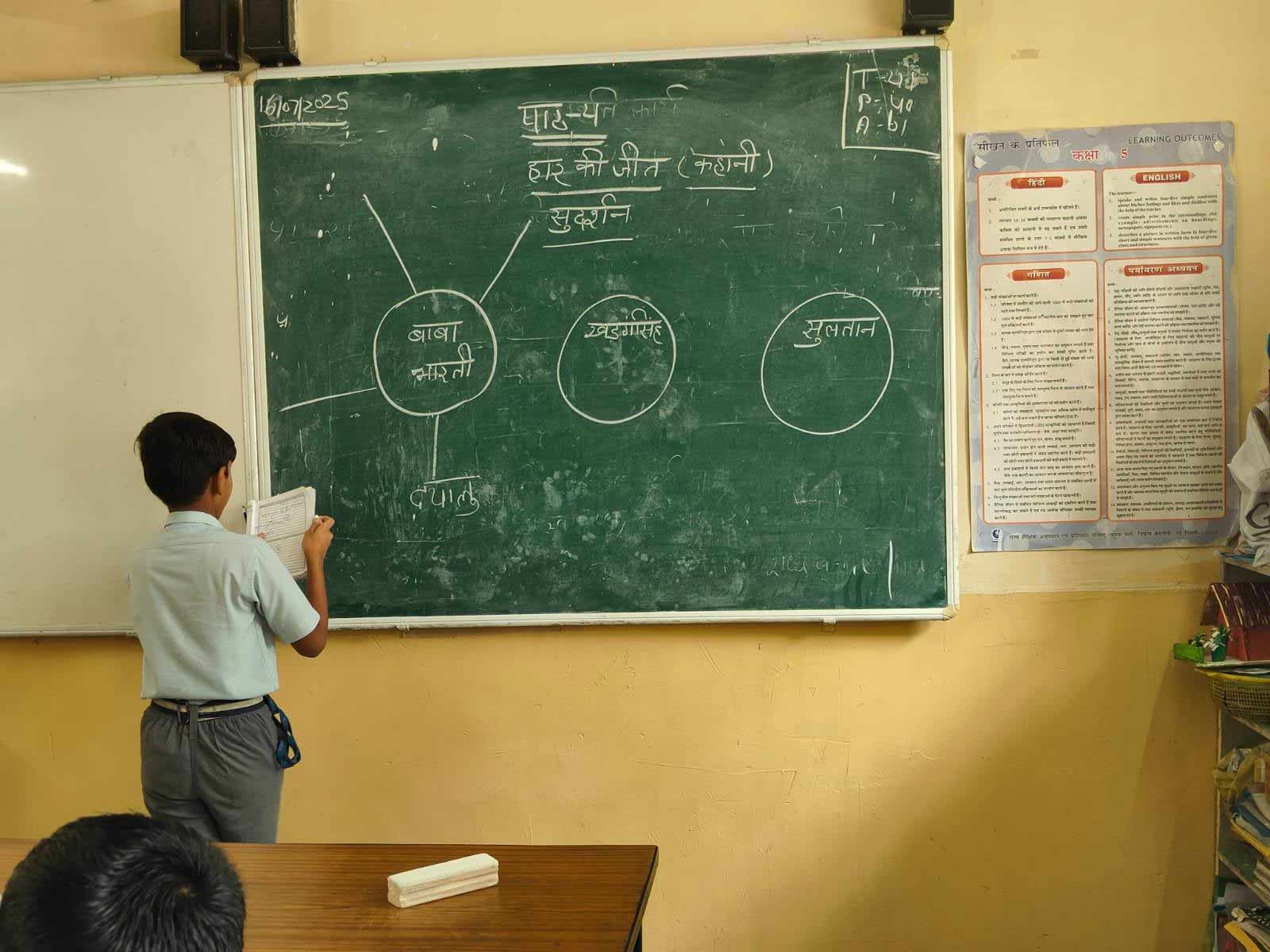
Thus, just by observing the children as well as adults around, we can confidently say that play does not lose its educational and academic value as children grow older. Games, role-playing, simulations, and project-based activities can all be considered playful learning strategies suitable for older students. Teachers should be given autonomy to explore these resources to make children active part of their learning process.
Lastly, one of the biggest challenges of implementing learning through play is the difficulty in assessing it. It is considered to be more abstract that real. Traditional education systems are built around standardized testing and quantifiable outcomes. However, the benefits of play, such as emotional resilience, creativity, empathy, and collaboration are less tangible and harder to measure with conventional tools (McAloney & Stagnitti, 2009; DeLuca & Hughes, 2014). This hollow system of analysis thus creates a disconnect between what is more beneficial for a child’s holistic development and is often overlooked and remains undervalued because of the standardized assessment practices.
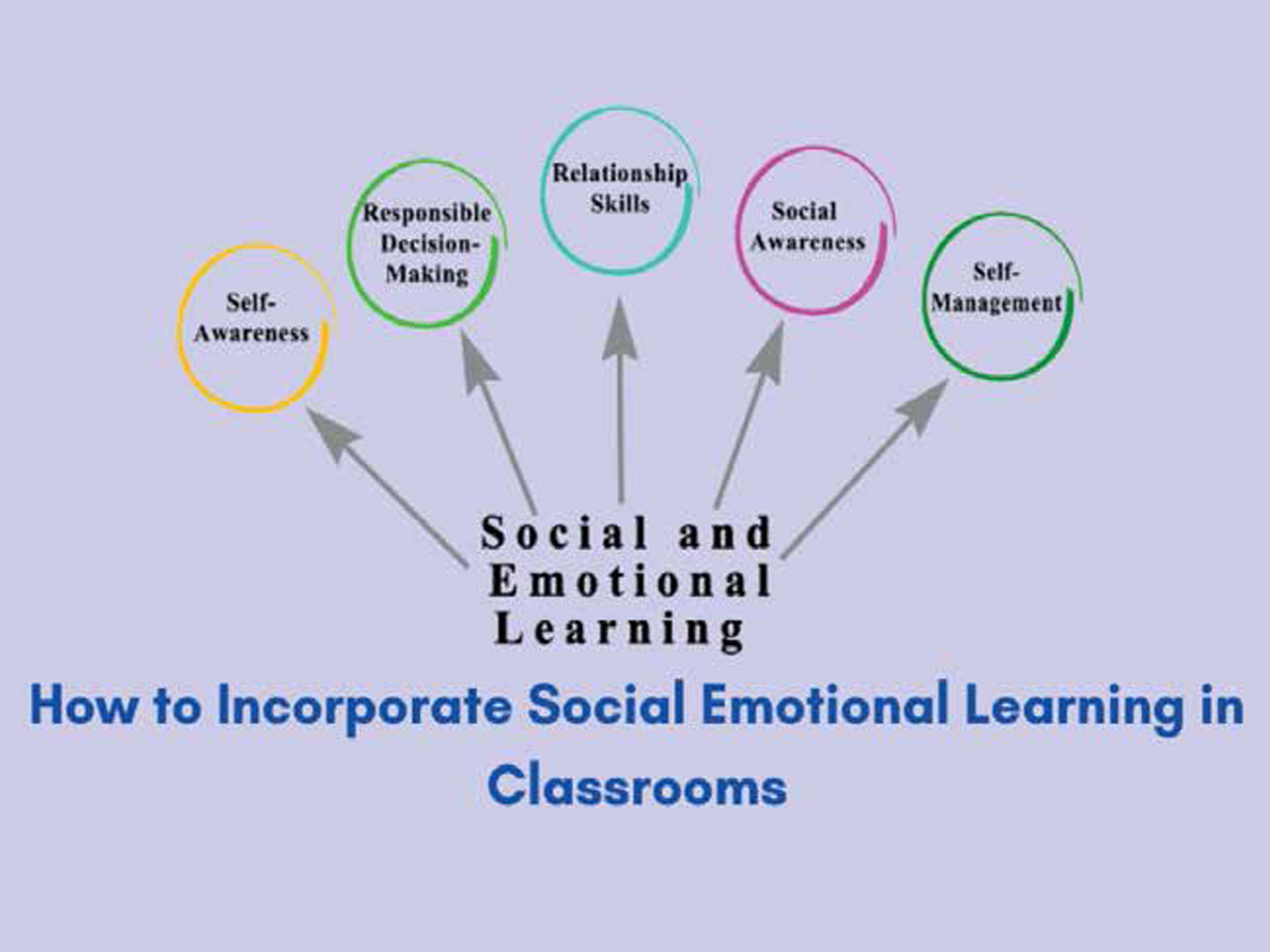
Therefore, some measures can be collectively taken by the parents, teachers as well as school to impart learning through play. This will not only help them to develop holistically but also give them the platform to express, experience and create things freely, further widening the prospects of their learning.
1. Redefining Play as Central to Learning Across All Ages
One of the first steps is to redefine play not as a reward or break from learning, but as a form of learning itself. Schools can take inspiration from Vygotsky, who viewed learning as a social and dynamic process. This belief embraces play as a powerful medium for dialogue exchange, collaboration, peer interaction, and cognitive development. Likewise, Rousseau’s naturalist philosophy again reminds us to reconnect children with their surroundings, making them the active members in their own learning offering that immersive, exploratory connection. Giving children the autonomy to make decisions impart in them the sense of responsibility further strengthening in them the confidence which is very important for making connections.
2. Empowering Teachers with Autonomy and Trust
Teachers must be seen as reflective practitioners, for play-based pedagogy to flourish, not as mere executors of rigid curricula. Education is not a banking system and neither teachers nor students should be treated as commodity. Schools should offer teachers professional autonomy, opportunities where they can explore playful pedagogies which act as a catalyst for holistic development of the child, and support structures that allow experimentation. Teachers if trusted and supported, and given the necessary autonomy, are more likely to develop creative and child-cantered learning environments.
3. Designing Play-Enriched Learning Environments
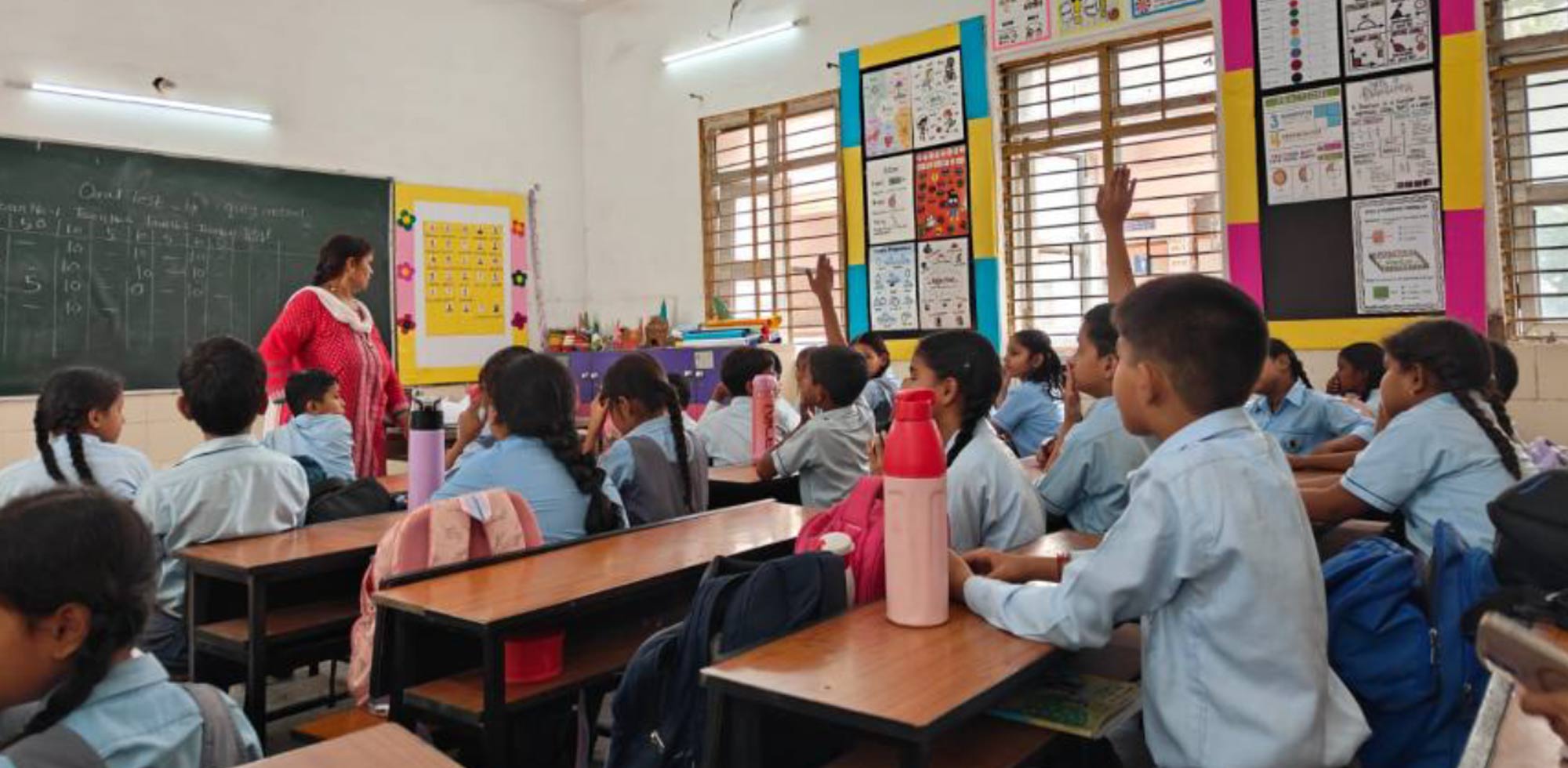
Classroom design must evolve to support flexible, interactive learning. Freedom of movement, with furniture that is not fixed is essential for child’s movement. Also, the access to open-ended materials, and opportunities for both indoor and outdoor play should be integrated into school architecture and schedules. These environments, inspired by Reggio Emilia and Montessori approaches, foster independence and agency.
4. Rethinking Assessment
One of the most significant barriers to implementing play is the dominance of standardized assessment. We must develop alternative assessment tools that value process over product and measure growth in social-emotional, creative, and problem-solving domains. Portfolios, observational assessments, learning journals, and student self-reflection can serve as meaningful ways to evaluate progress in play-based settings.
5. Fostering a Whole-School Culture of Play
To ensure proper implementation, school must endorse a vision where play is central to the learning. This includes training for administrators, engagement with parents and communities, and regular observation of classroom, policy reforms that support holistic development over narrow academic achievements.
Hence, incorporating play into curriculum is not just a pedagogical choice but is a recognition of child’s developmental need and holistic learning. Outdoor games and learning should be promoted in the classrooms to build connection with the nature. Isolating them from play and nature is denying them the access to the most potent teacher.
References
Abramson, S., Robinson, R., & Ankenman, K. (1995). Project work with diverse students: Adapting curriculum based on the Reggio Emilia approach. Childhood Education, 71(4), 197– 202.
DeLuca, C., and Hughes, S. (2014). Assessment in early primary education: an empirical study of five school contexts. J. Res. Child. Educ. 28, 441–460. doi: 10.1080/02568543.2014.944722
Howard, J. (2010). Early years practitioners’ perceptions of play: an exploration of theoretical understanding, planning and involvement, confidence and barriers to practice. Educ. Child Psychol. 27, 91–102.
Jay, J. A., and Knaus, M. (2018). Embedding play-based learning into junior primary (Year 1 and 2) curriculum in WA. Aust. J. Teach. Educ. 43, 112–126. doi: 10.14221/ajte.2018v43n1.7
Martlew, J., Stephen, C., and Ellis, J. (2011). Play in the primary school classroom? The experience of teachers supporting children’s learning through a new pedagogy. Early Years 31, 71–83. doi: 10.1371/journal.pone.0222447
McAloney, K., and Stagnitti, K. (2009). Pretend Play and Social Play: the Concurrent Validity of the Child-Initiated Pretend Play Assessment. Int. J. Play Ther. 18, 99–113. doi: 10.1111/j.1440-1630.2008.00761
Nilsson, M., Ferholt, B., and Lecusay, R. (2018). “The Playing-Exploring Child”: reconceptualizing the Relationship between Play and Learning in Early Childhood Education. Contemp. Issues Early Child. 19, 231–245. doi: 10.1177/1463949117710800
Whitebread, D., Basilio, M., Kuvalja, M., and Verma, M. (2012). The Importance of Play. Belgium: Toy Industries of Europe.
Wing, L. A. (1995). Play is Not the Work of the Child: young Children’s Perceptions of Work and Play. Early Child. Res. Q. 10, 223. doi: 10.1016/j.chiabu.2019.104088
Zosh, J. M., Hirsh-Pasek, K., Hopkins, E. J., Jensen, H., Liu, C., Neale, D., et al. (2018). Accessing the Inaccessible: redefining Play as a Spectrum. Front. Psychol. 9:1124. doi: 10.3389/fpsyg.2018.01124